
The best evening dress fabrics for Bangkok's heat are the light, breathable ones: chiffon, georgette and a fine crepe move beautifully and stay cool for gardens, riversides and daytime events. Save heavier structured cloth like duchess satin, velvet and taffeta for air-conditioned ballrooms, where their shape photographs best.
Evening and formal dresses live or die on fabric. The same silhouette in chiffon and in duchess satin reads completely differently: one floats, one stands.
Whether the invitation says black tie, cocktail, or just dinner somewhere nice, we split the ten fabrics we use most into two camps. Textured cloth catches light through its surface; smooth cloth reflects it directly. Pick mostly based on the silhouette you want and how the dress will move.
Textured fabrics
The same silhouette in chiffon and duchess satin is two different dresses.
1. Chiffon

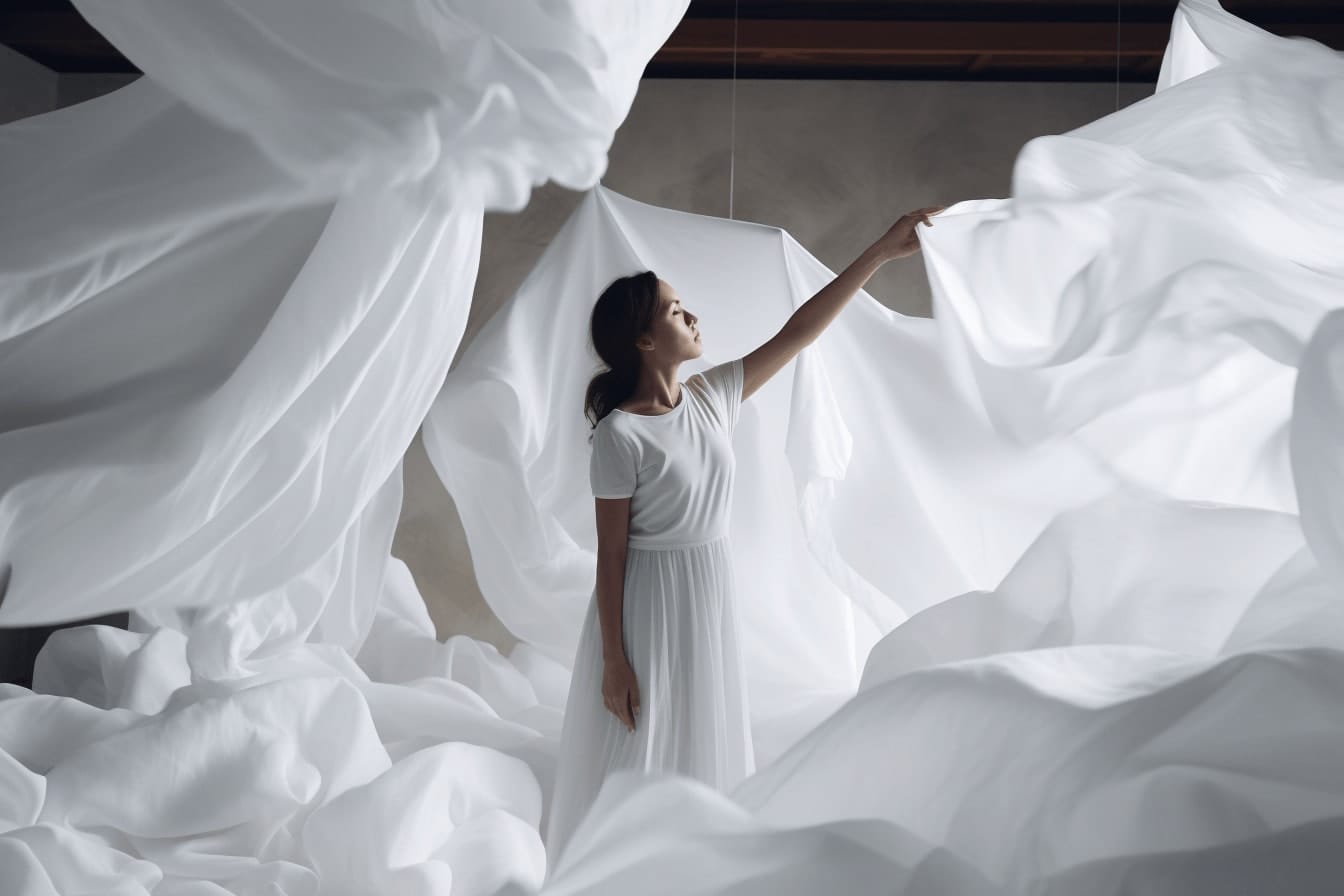
Lightweight, semi-sheer, and drapes like water. Best on soft, flowing designs. Breathes well in Bangkok humidity, which makes it a strong choice for daytime weddings and outdoor evening events. Almost always wants a lining underneath for opacity, and the right lining doesn't compromise the drape.
Great when
- You want floaty overlays, soft tiers, or a dress that moves like air
- The event is outdoor, daytime, or anywhere humid (garden, riverside)
- Comfort matters as much as drama for a long evening on your feet
2. Satin Crepe
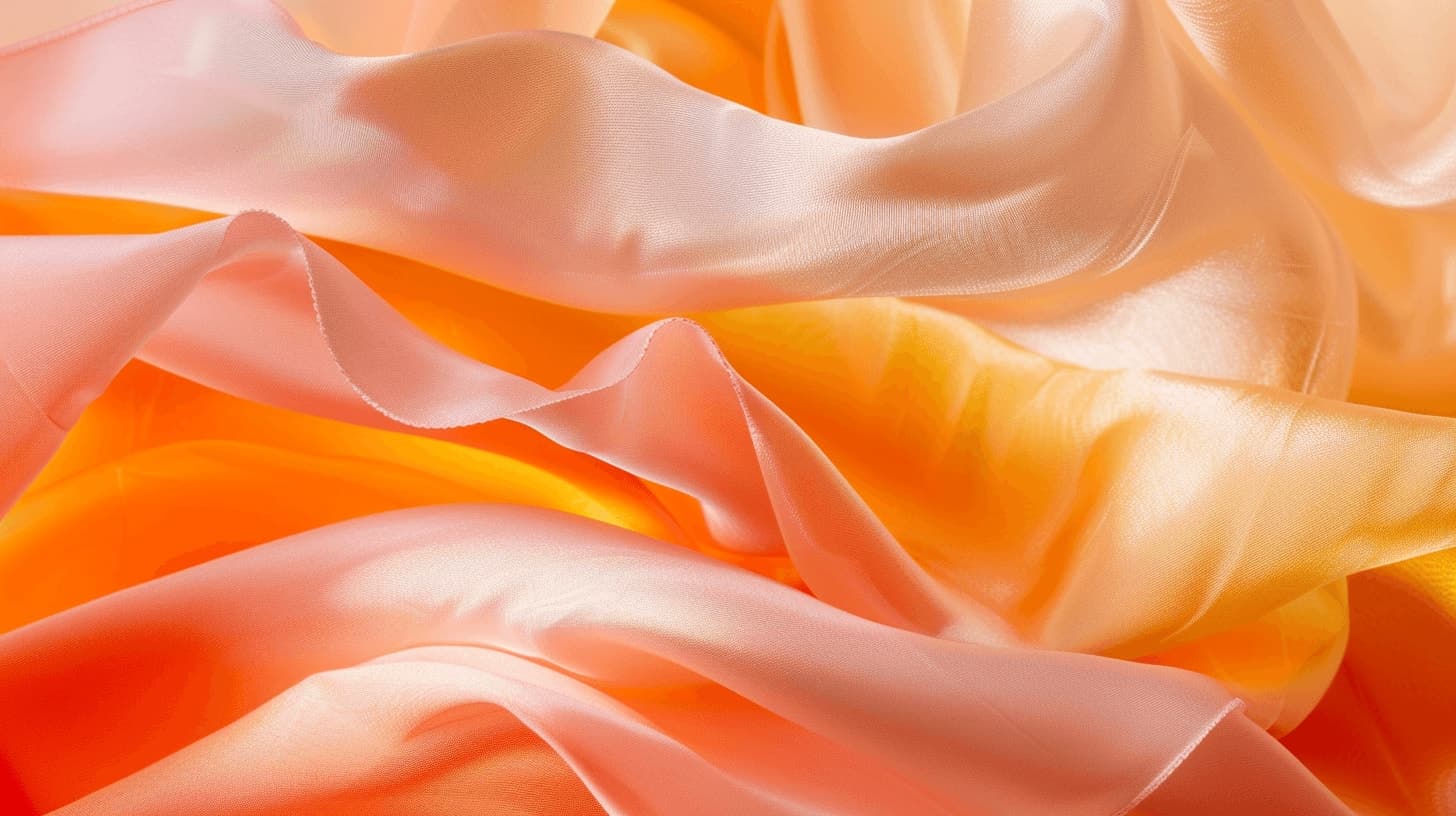
Satin's gloss on one side, crepe's slight texture on the other, so the same length of cloth can read glossy or matte depending which face is cut out. Drapes well, photographs richly, and works for most evening silhouettes. Wrinkles, so steam between wears.
Great when
- You need one cloth that suits most evening silhouettes without fuss
- You want elegant drape with a quieter sheen than full satin
- Cocktail or party dresses need swing, recovery, and rich photos
3. Georgette
A cousin of chiffon, with twist yarns that give it a slight spring. The grainy texture catches light differently than chiffon's flat surface. Holds up to wear better than it looks like it should, which makes it good for layered ruffles, blouson sleeves, and dresses you actually want to dance in.
Great when
- Layered ruffles, blouson sleeves, or movement-heavy details matter
- You want day-to-evening flow that still holds up on the dance floor
- Heat is high and you need breathability with a little more spring than chiffon
4. Crepe
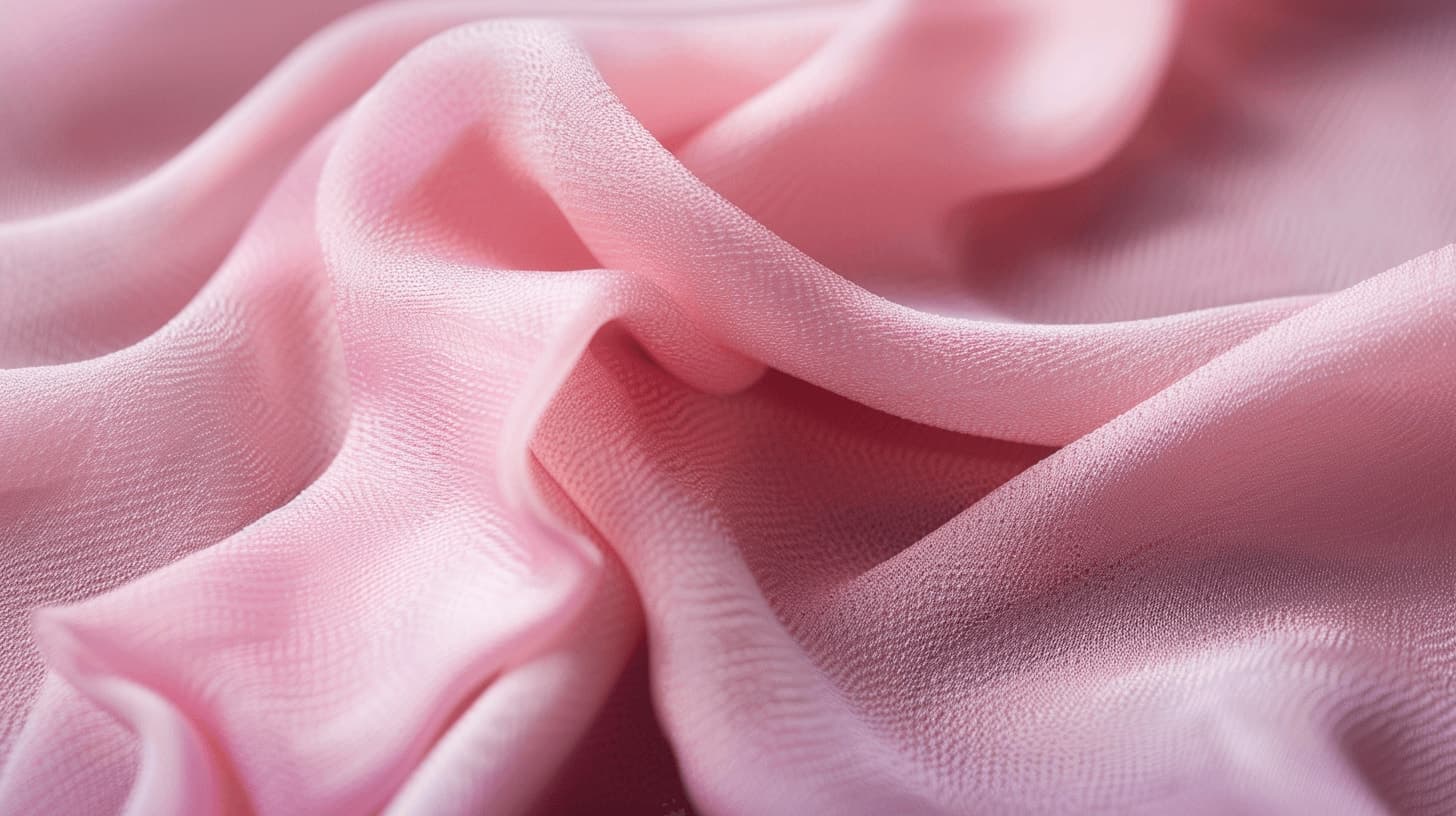
Matte finish, distinctive crinkled surface, no shine. Hangs away from the body rather than clinging, which suits a structured fit. Comes in everything from light to heavy weights; crepe de Chine is a silkier subtype if you want more flow. Low-maintenance compared to silks.
Great when
- You want a modern, minimal gown with clean lines and no shine
- A structured fit should hang away from the body, not cling
- You need something lower-maintenance than high-shine silk satins
Smooth fabrics
5. Organza
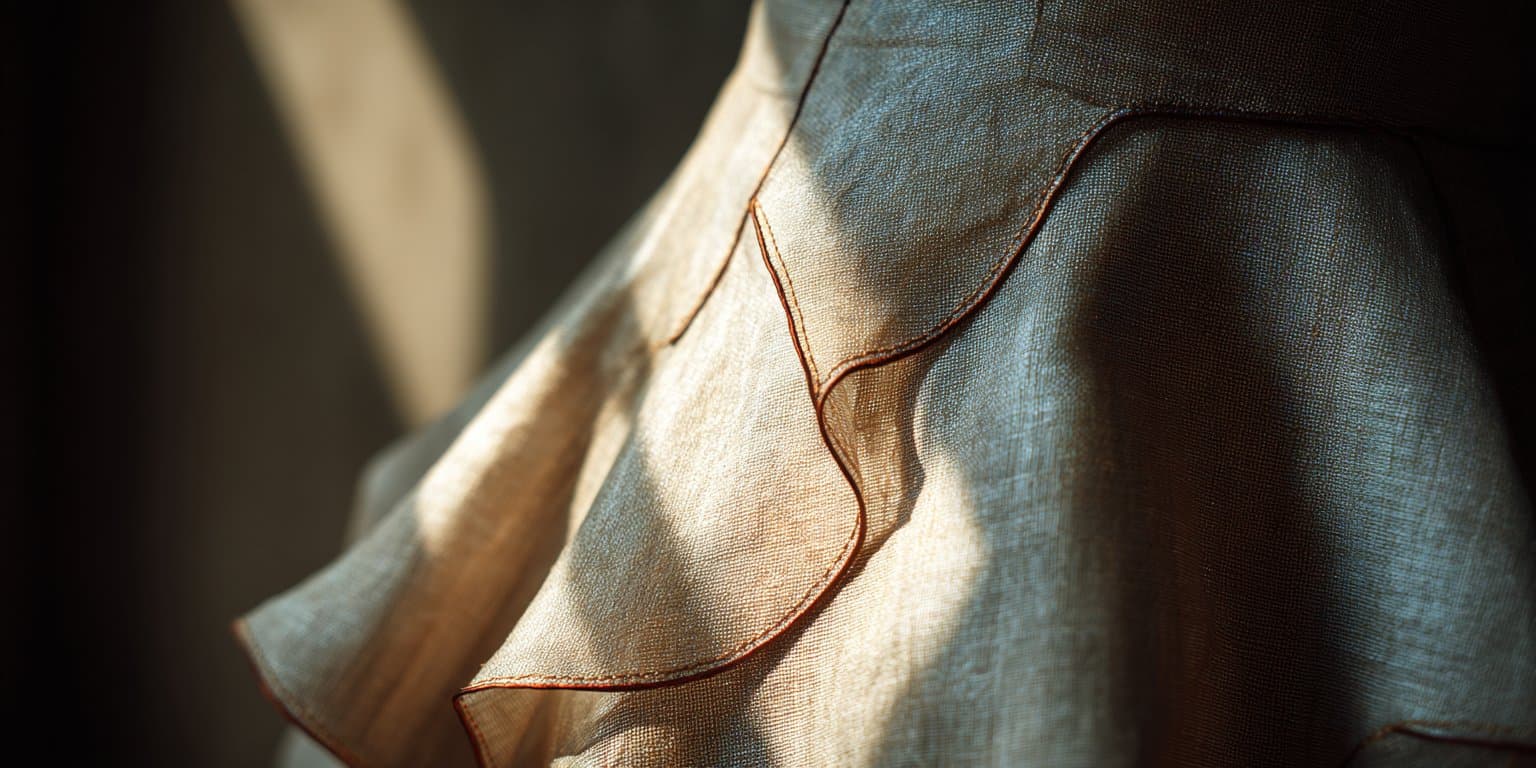
Lightweight, sheer, and crisp rather than soft. The stiffness is the point: it holds volume in skirts, sleeves, and overlays where chiffon would collapse. Best as a layer over something else. Frays at cut edges, so the lining and seam finishing matter.
Great when
- Skirts, sleeves, or overlays need crisp volume that chiffon cannot hold
- You want sheer drama as a layer, not as a clingy single skin
- The silhouette should stand away and keep its shape through the night
6. Satin
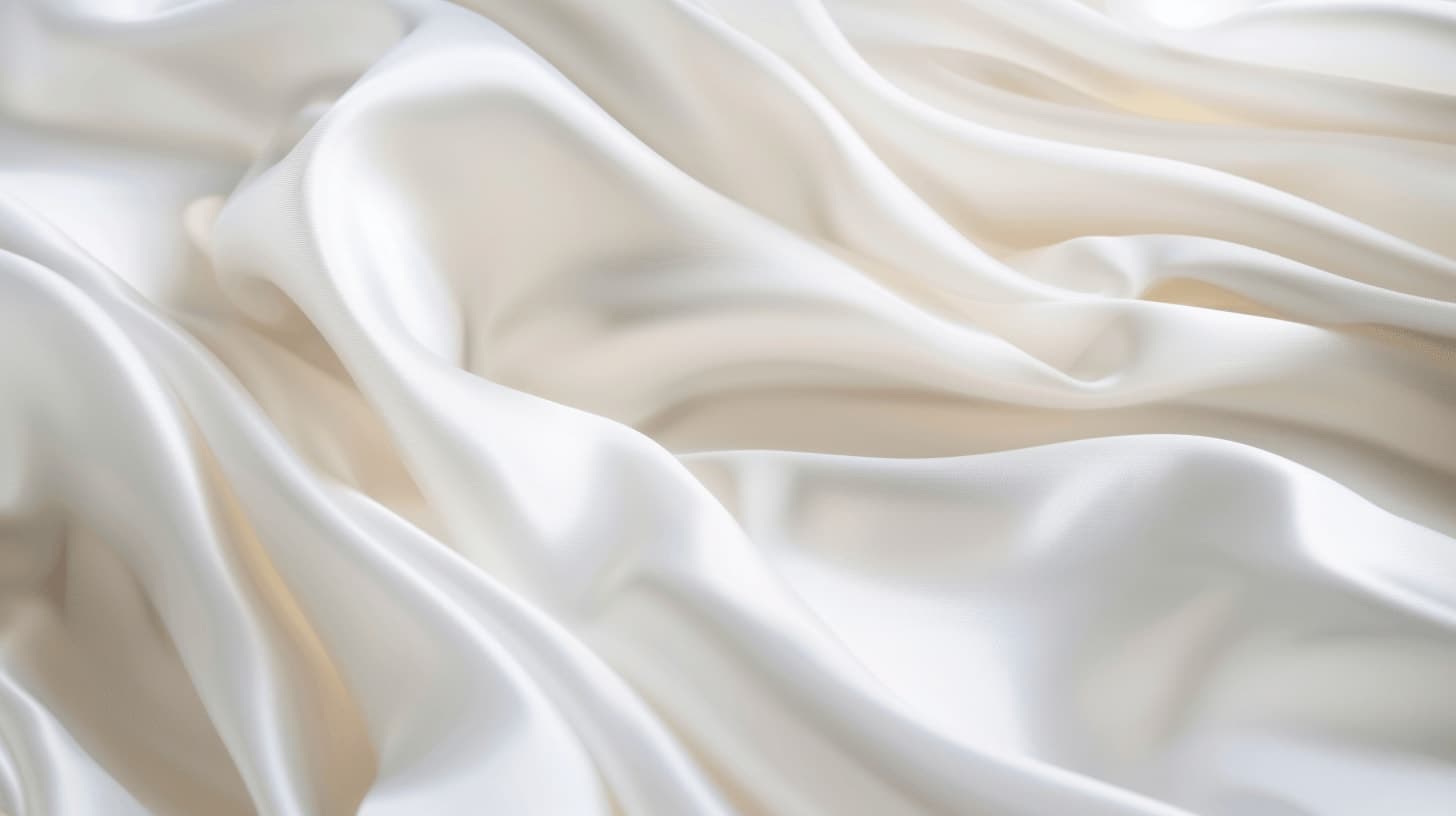
High shine, fluid drape, the classic glamour fabric. Makes form-fitting evening gowns sit beautifully and photographs as luxe under stage lighting. Trade-offs: shows wrinkles easily, snags more than other smooth fabrics, and the shine can read cheap if the cloth itself is poor quality. Worth spending on a decent grade.
Great when
- Bias-cut slip dresses or form-fitting gowns should hug and slide
- Stage or evening lighting needs high shine that still looks luxe
- You can invest in a good grade so the sheen does not read cheap
7. Taffeta
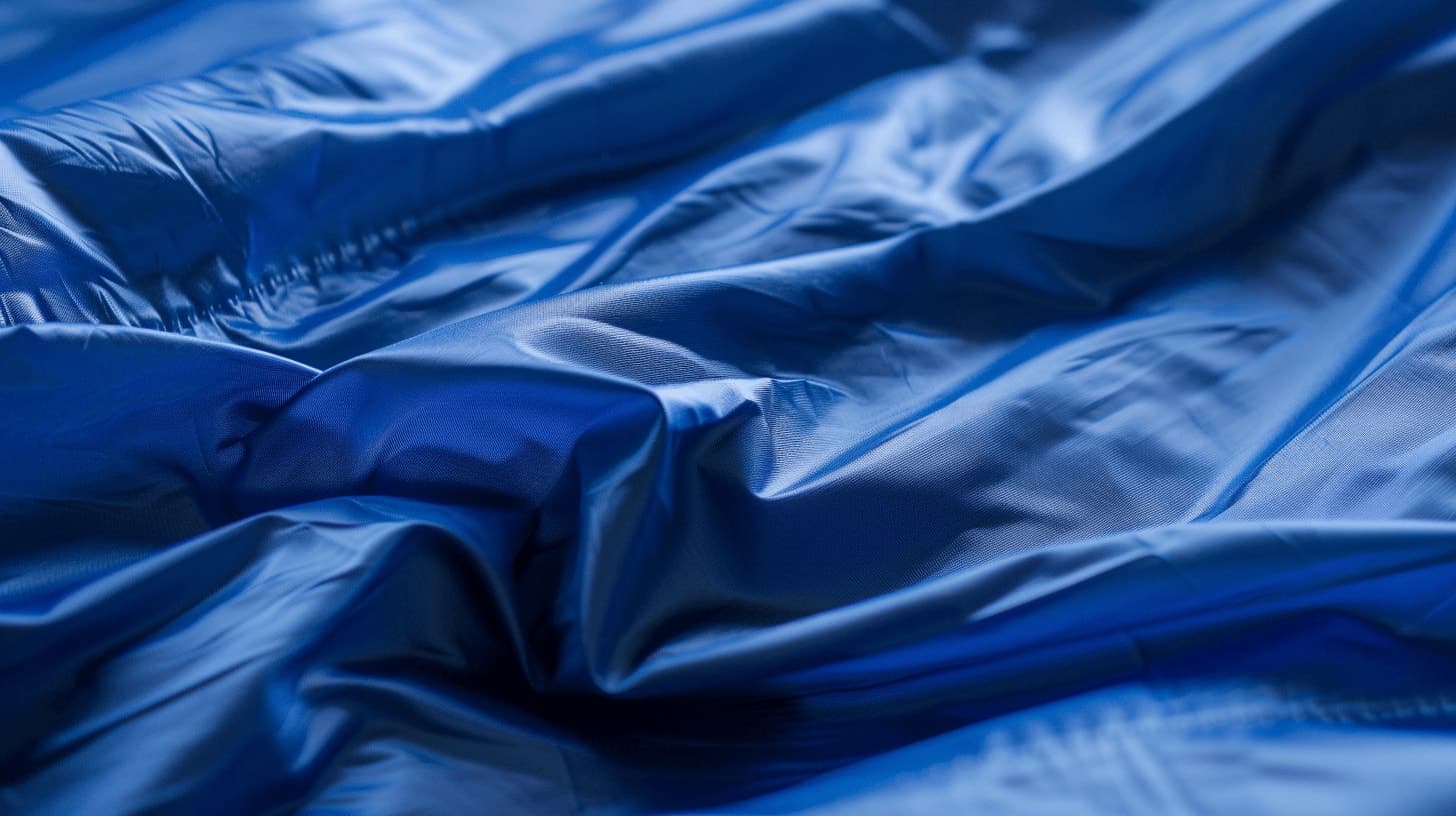
Smooth with a slight stiffness and a faint rustle when it moves. Good for structured, voluminous designs (fitted bodices with dramatic skirts). Creases easily, so handle carefully. Some grades offer a degree of water resistance, which helps at outdoor events.
Great when
- Fitted bodices with dramatic, voluminous skirts need structure
- Black-tie or formal volume should read as occasion, not costume
- A faint rustle and crisp line matter more than soft drape
8. Duchess Satin
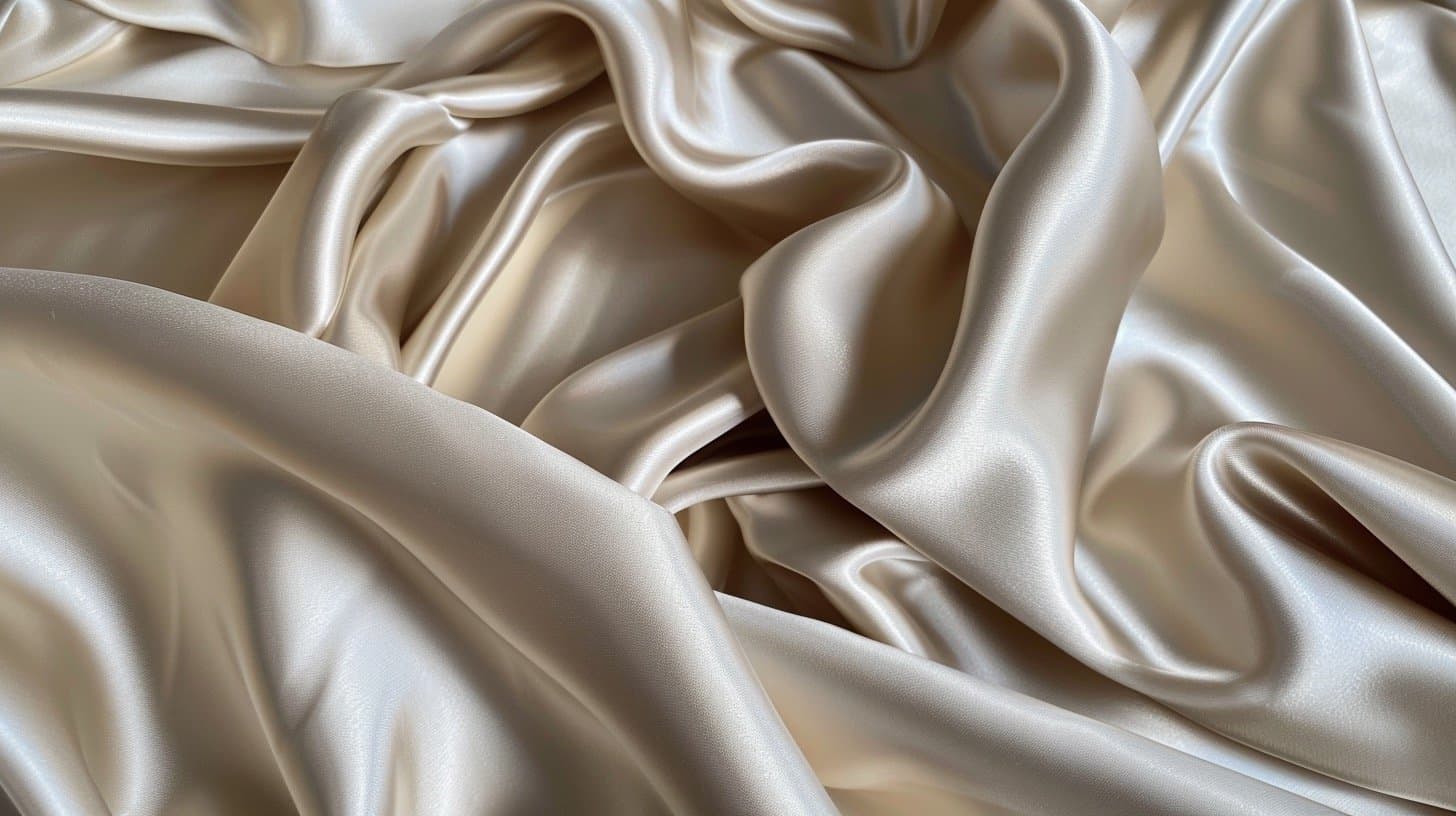
Duchess satin, often called duchess material, is a heavier, more structured satin with a richer, quieter sheen. It holds its shape under its own weight, which is why it's a wedding-gown standard, and it resists wrinkles better than lightweight satin. We carry affordable grades alongside premium ones, so it works for both formal modern dresses and traditional bridal.
Great when
- Formal or bridal gowns need structure that stands away from the body
- Long dinners and photos call for wrinkle resistance and a quiet sheen
- The room is air-conditioned and shape should photograph clean for hours
9. Velvet
A plush pile with deep, shifting colour and the most drama of any evening fabric we cut. It is also the warmest, so it belongs at cooler, air-conditioned galas rather than a humid garden. Silk and rayon velvets drape softly; cotton velvet holds more structure.
Great when
- Cooler, air-conditioned galas need deep colour and real drama
- You want a statement piece that shifts tone as you move under light
- Soft drape (silk or rayon) or firmer structure (cotton) fits the silhouette
10. Lace
Less a fabric than a finish: an openwork overlay laid over satin, crepe or a smooth lining for texture and romance. We use French and corded lace for bridal and beaded lace for evening, usually to define a neckline, sleeves or hem, so a little goes a long way.
Great when
- Bridal or romantic evening looks need texture without a full lace gown
- You want to define a neckline, sleeves, or hem with openwork detail
- A smooth base (satin or crepe) should carry the structure underneath
Evening fabrics at a glance
| Fabric | Texture | Best for | Bangkok heat |
|---|---|---|---|
| Chiffon | Smooth, sheer | Floaty overlays and summer gowns | Breathable |
| Satin crepe | Smooth, matte back | Draped, elegant gowns | Moderate |
| Georgette | Lightly textured | Flowing day-to-evening | Breathable |
| Crepe | Matte, fine grain | Modern, minimal gowns | Moderate |
| Organza | Crisp, sheer | Structured volume and overlays | Moderate |
| Satin | Smooth, high shine | Bias-cut slip dresses | Moderate |
| Taffeta | Crisp, faint rustle | Voluminous skirts | Best in AC |
| Duchess satin | Smooth, structured | Formal and bridal gowns | Best in AC |
| Velvet | Plush pile | Evening galas and statements | Best in AC |
| Lace | Openwork overlay | Bridal and evening detail | Depends on lining |
Matching fabric to the occasion
The dress code decides more than the colour does. A few pairings we keep coming back to when we cut a made-to-measure evening dress:
Black tie and formal galas
For true formal wear, structure photographs best. Duchess satin and heavier crepe hold a clean line through a long dinner, and taffeta brings volume that reads as occasion, not costume. If the invitation says black tie, this is the shelf we walk you to first.
Cocktail and party dresses
Party dresses earn their keep on the dance floor, so we lean toward cloth with movement and recovery: satin crepe, georgette, and the lighter crepes. They swing, they breathe, and they survive a crowded room far better than delicate satins.
A glam night out: what feels luxe, what gets scratchy
The difference between a dress that photographs well and one that feels good at 1 a.m. is almost always the fibre, not the label. Silk satin and good viscose drape close to the body, stay cool, and get softer as the night goes on.
Cheap polyester satin does the opposite: it traps heat, clings with static, and the shine reads flat under bar lighting. If a ready-to-wear party dress feels scratchy in the fitting room, it will feel worse after three hours of dancing.
Sequins deserve their own warning. Machine-embroidered sequins on stretch mesh hold up to a bachelorette weekend; glued sequins shed by the second wear.
Either way, the fix is the lining: we always back sequins and beaded lace with a smooth satin or silk-touch lining so nothing abrasive ever touches skin. It is the single cheapest upgrade that separates a dress you tolerate from one you keep reaching for.
Kaftans and bubu gowns
Flowing silhouettes like kaftans and bubu gowns want volume without weight. Double-layered chiffon or georgette gives that billowing drape while staying light enough for a whole evening, and a smooth satin lining keeps the fall clean. We cut these for celebrations where the gown has to move dramatically and still feel effortless at midnight.
Outdoor and daytime formal events
For garden weddings and riverside parties in Bangkok, breathability outranks drama. Chiffon, georgette and lighter crepe stay comfortable outdoors; duchess satin and taffeta are best saved for air-conditioned ballrooms. If you're torn between two fabrics, ask yourself where you'll be standing at four in the afternoon.
Textured fabrics add depth without commanding attention; smooth fabrics put the cloth itself on display. Most evening dresses lean one way or the other. The rare ones that combine both (a chiffon overlay on a satin slip, say) need extra care in the cutting.
For the broader framework on weight and drape across all dress fabrics, our companion guide on how to choose the right fabric for a dress is the place to start.
When you've narrowed it down, our team can take it from sketch to finished dress as part of our women's dressmaking service. And if the dress already exists and just needs a new life, our alterations studio can rework it; either way, our dress tailoring prices show what to budget.
Quick answers on evening dress fabrics
For structured formal gowns, duchess satin is the safest choice: it holds its shape, resists wrinkles, and photographs richly.
If you want flow instead of structure, layered chiffon or georgette over a satin lining is the classic alternative.
Weight and body. Regular satin is fluid and high-shine, so it hugs and slides; duchess satin is heavier, with a deeper, quieter sheen, and stands away from the body.
Bias-cut slip dresses want regular satin; sculpted gowns want duchess.
Chiffon, georgette and crepe, ideally over a thin, breathable lining. They move air, dry quickly, and don't cling.
Heavy satins and taffeta are fine in air conditioning but tiring at outdoor events in Bangkok.
Usually 3 to 5 metres. A slim floor-length column sits at the lower end; trains, pleats and layered skirts push it up.
Sheer fabrics often need double, because they're cut in two layers.
Have the dress made in the fabric you picked
Settling on georgette rather than duchess satin is most of the decision. The rest is the cut. The same cloth reads differently on different shoulders, and a bias-cut column wants a different hand to a sculpted bodice.
Bring a fabric in mind or bring nothing at all, and we will draft it to your measurements as part of the dresses we make for evenings and events. Fittings happen at the atelier, and our pricing is published if you would rather see numbers first.
Book an Evening Dress Consultation