The fabric is the dress. Once it's chosen, the silhouette, comfort, and lifespan are mostly settled before a single seam is cut.
Whether you're picking from our own bolts or from one of the many fabric shops around Bangkok, the framework is the same. Here are the five things we'd weigh with you at the atelier, in roughly the order they matter.
1. Weight of the fabric
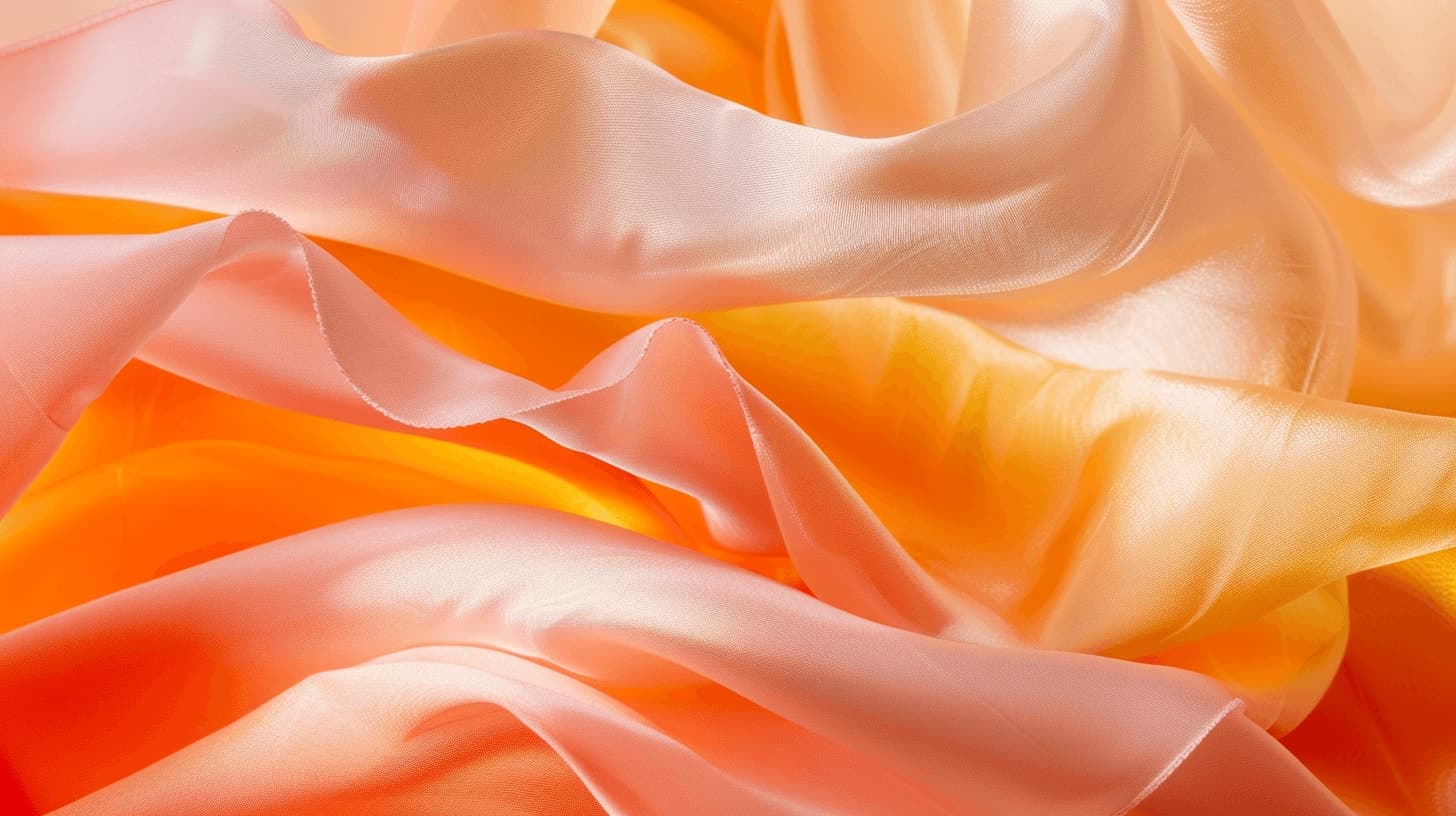
Weight controls drape. A lightweight chiffon or silk falls and floats; a heavier wool or denim holds a shape and gives you architecture. If a dress lives or dies on movement (evening wear, garden parties), go light. If it's about line and structure (a fitted bodice, a sharp midi), go heavier.

2. Texture of the fabric
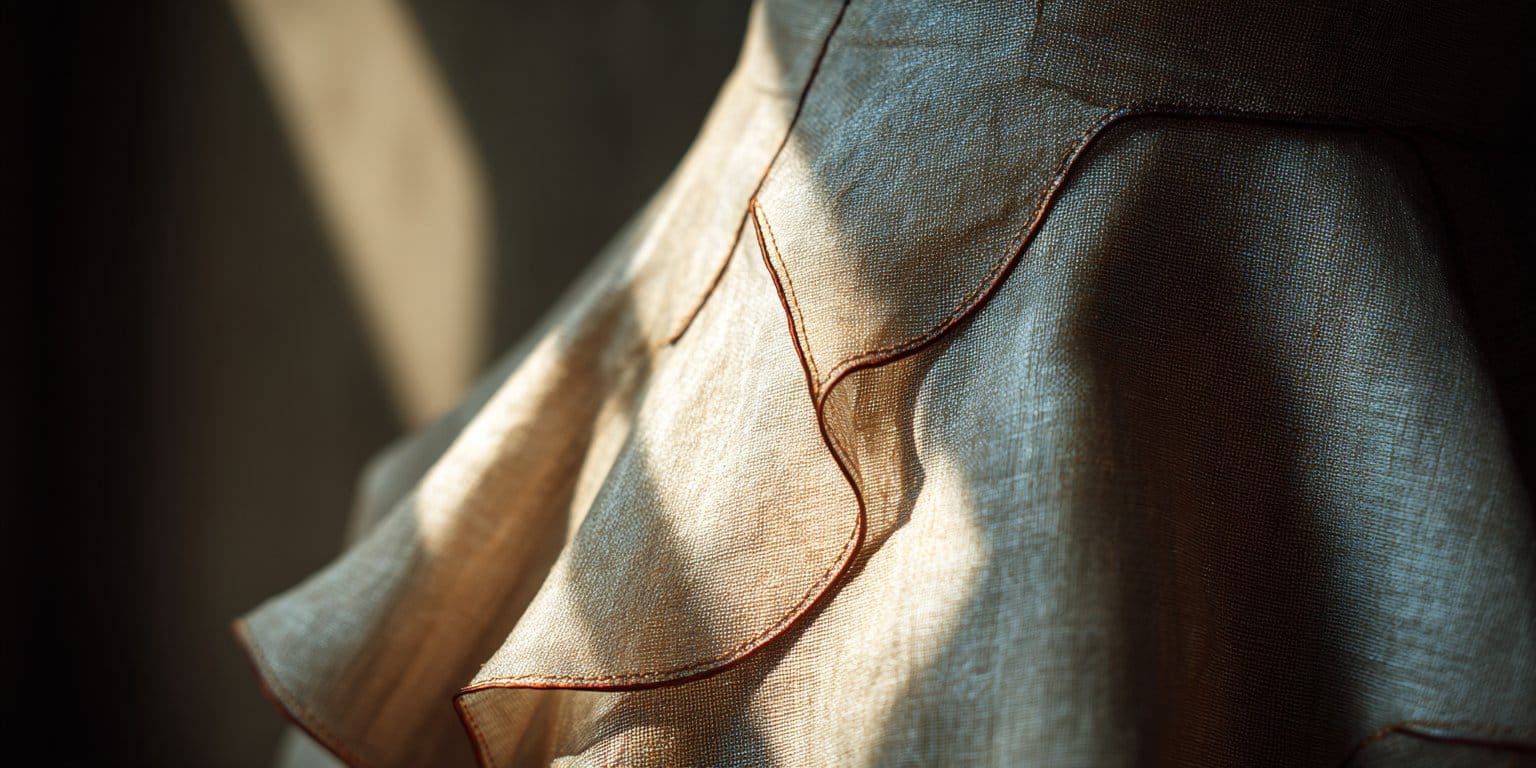
Texture is what reads in photos. A subtle weave (tweed, linen, satin crepe) gives quiet depth. A pronounced surface (lace, embroidery, brocade) does the talking on its own. We usually pair busy textures with simple cuts and clean textures with more shape, so the dress doesn't fight itself.
3. Stretch of the fabric
A few percent of elastane in a woven dress fabric is the difference between sitting comfortably through dinner and counting the hours. We add stretch where it earns its keep (waistlines, fitted bodices) and avoid it where structure matters.

4. Durability of the fabric
How often will you actually wear it? A wedding-only gown can prioritise a delicate fabric. A weekly work dress wants something more honest: a 100% wool, or a modern polyester like the "BM" range, that holds shape, washes cleanly, and resists pilling. We'd rather you wear a sturdy dress thirty times than a precious one three times.

5. Breathability of the fabric
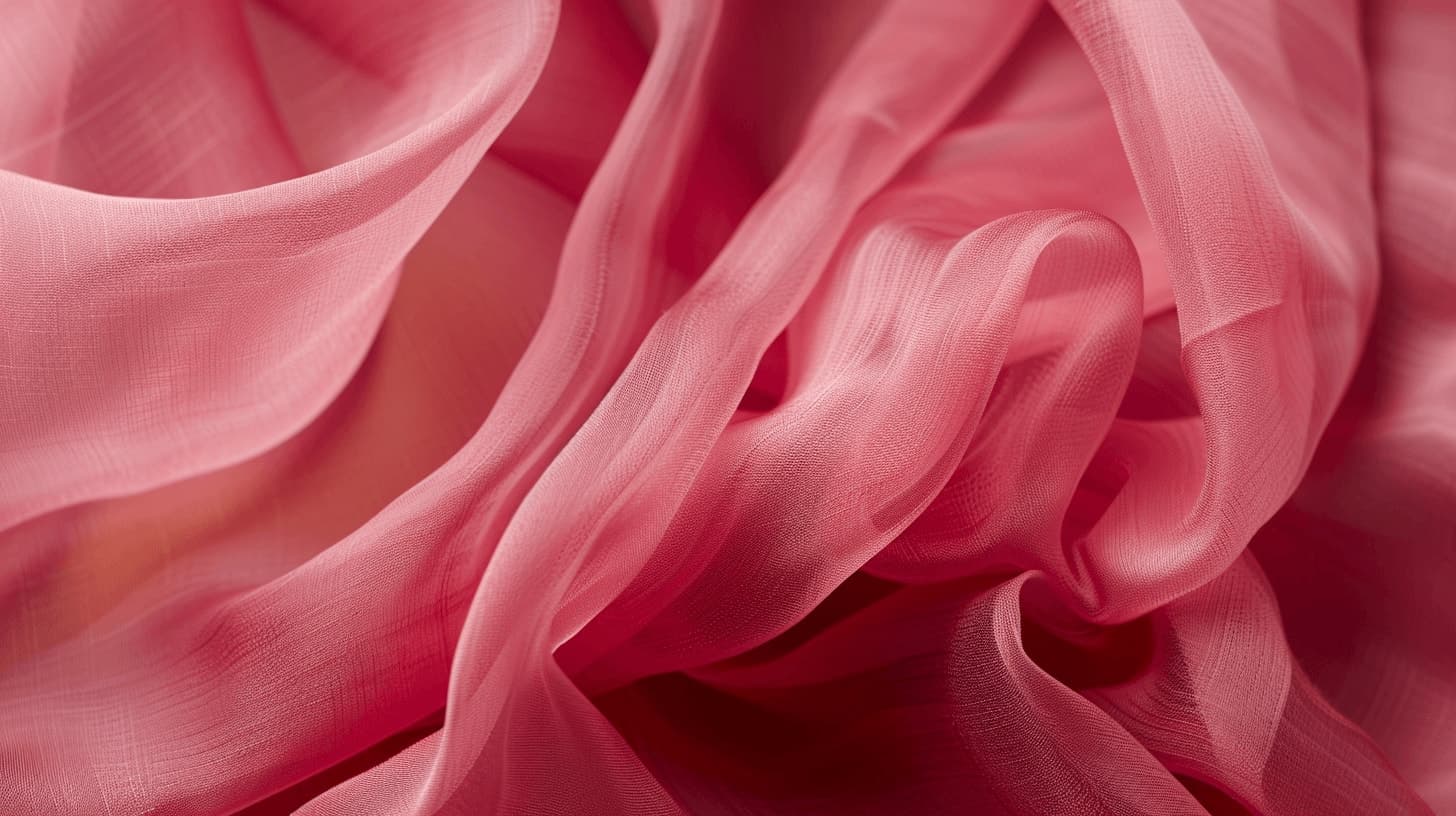
In Bangkok, breathability isn't seasonal, it's daily. Cotton and linen breathe; silk and viscose are middle-ground; most polyesters trap heat. If the dress will see outdoor wear, daytime weddings, or non-AC venues, we'd push for a natural fibre or a thin lining. The lining you pick matters as much as the shell here.

Get these five right and the dress works. Skip them and no amount of careful sewing makes up for it.
We're happy to walk you through it in person or over chat. We'll either match your design to something on the bolts we keep at the atelier, or send you to a shop in Bangkok that carries the right thing.
Get Fabric Advice
Malai Chanhom
Malai brings 20 years of invaluable experience from working in tailoring. Her expertise and passion for crafting the perfect fit drive her mission to help every customer find their ideal style. Her dedication to her craft goes beyond the workroom. She's often found sketching new designs, studying fashion history, or discussing tailoring innovations with fellow enthusiasts.