
The best fabric for a women's suit is a lightweight worsted wool, around 240 to 270 g/m: it tailors crisply, breathes, resists wrinkles and works year round, even in air-conditioned Bangkok. For the heat, linen and cotton blends run cooler but crease more, while silk and wool-silk blends add a soft sheen for occasion suits.
A wool suit will outlast a polyester one by a decade, but in Bangkok in May you may not care. Choosing the cloth for a women's suit really comes down to three things: how often you'll wear it, what climate you'll wear it in, and how the fabric looks against your skin. Here's how we'd talk through the seven fabrics we cut most often at the atelier.
| Fabric | Best for | Bangkok heat | Wrinkle resistance |
|---|---|---|---|
| Wool (worsted) | Year-round office and business suits | Good (tropical weights) | High |
| Cotton | Casual and summer suits | High | Low |
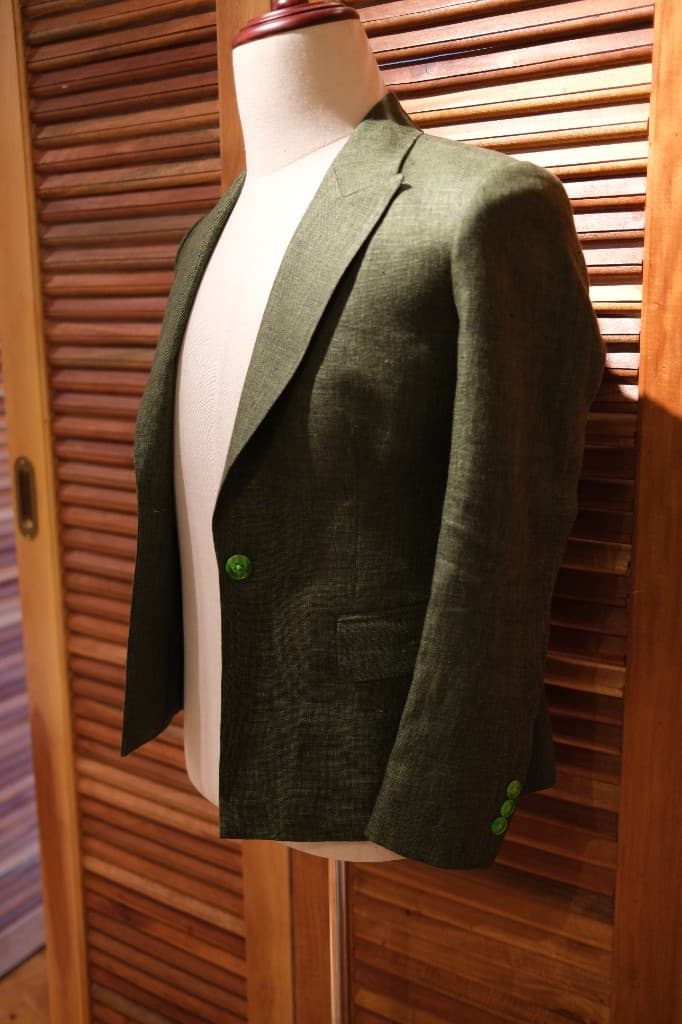
| Linen | Hot-weather and daytime suits | Very high | Very low |
| Silk and silk blends | Occasion and evening suits | Medium | Medium |
| Polyester blends | Budget and hard-wearing suits | Low | High |
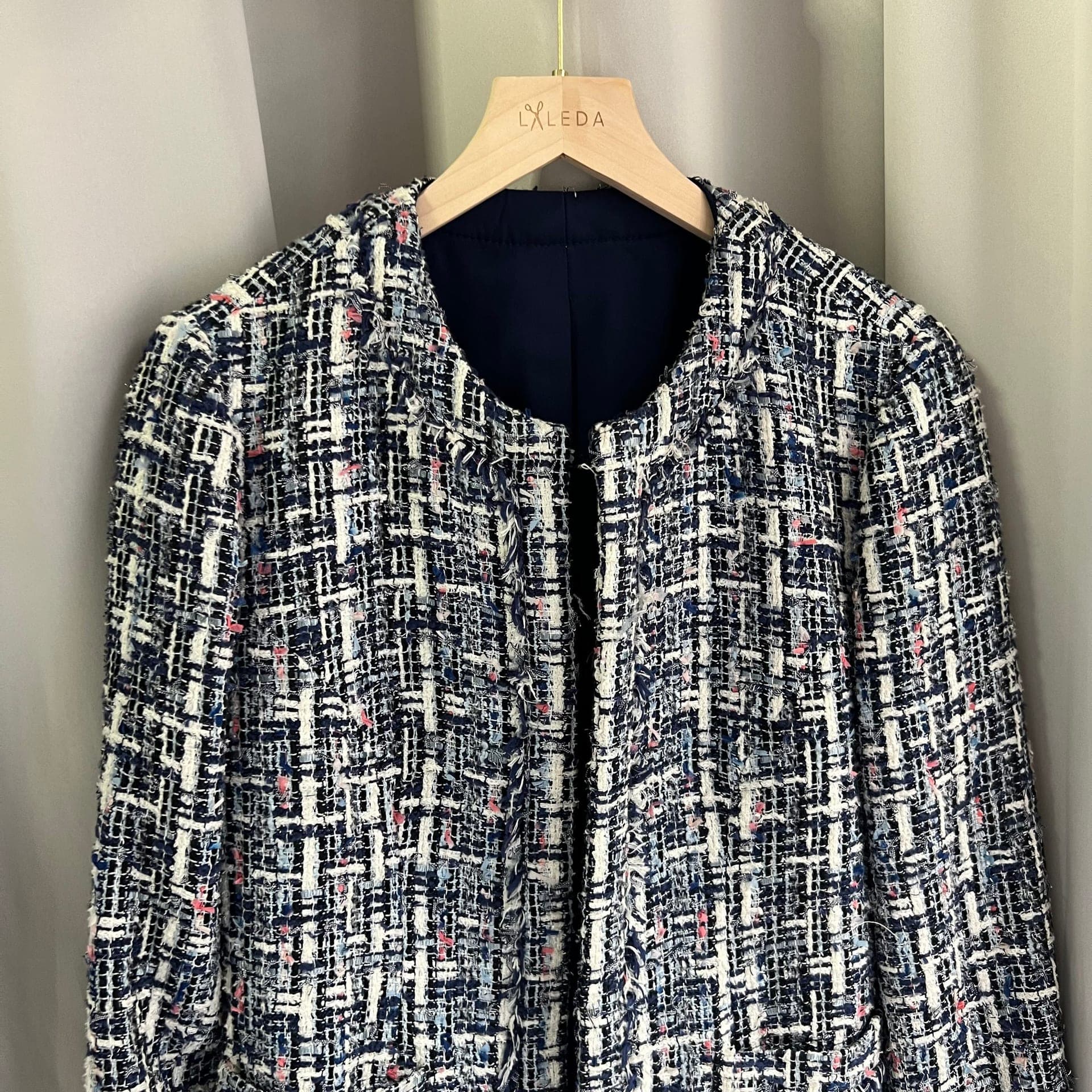
| Tweed | Structured suits for cooler, air-conditioned rooms | Low | High |
| Velvet | Evening and statement suits | Low | Medium |
1. Wool
In Bangkok the best suit fabric is the one that still feels right at 3pm, not only at 9am.
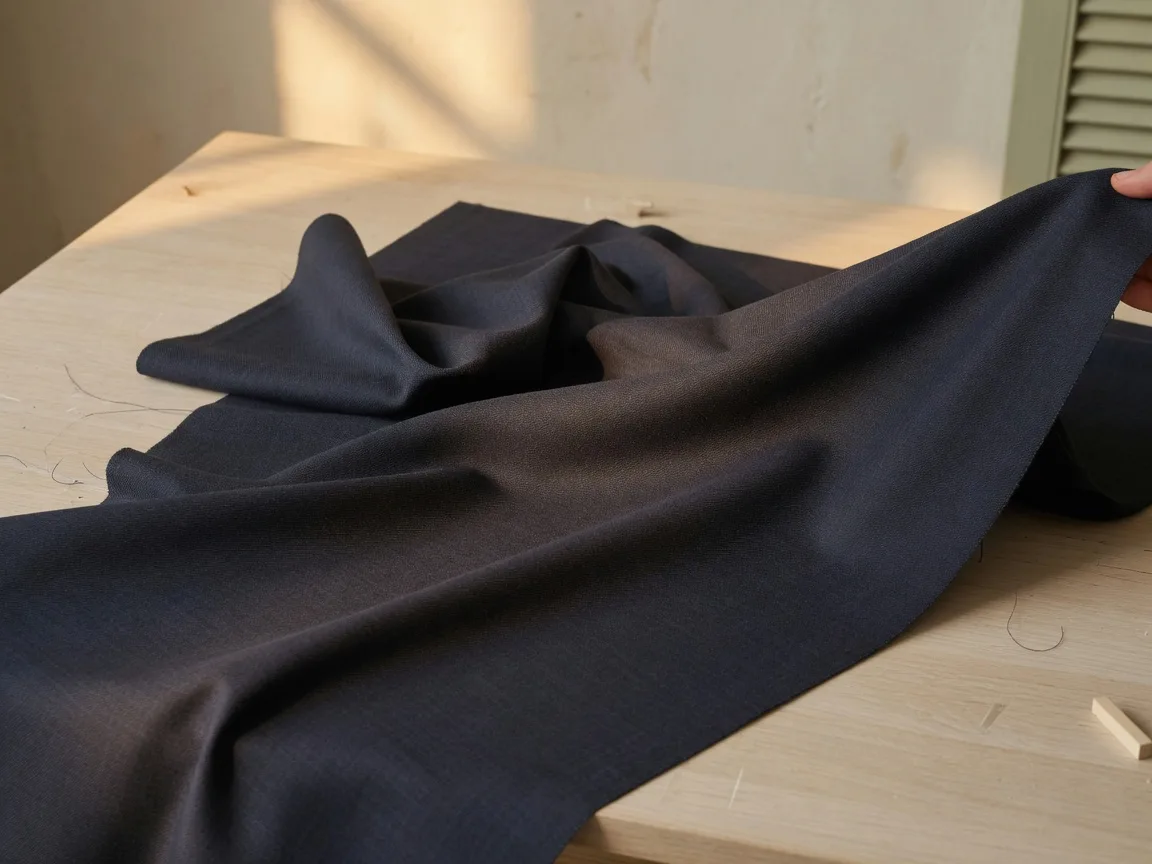
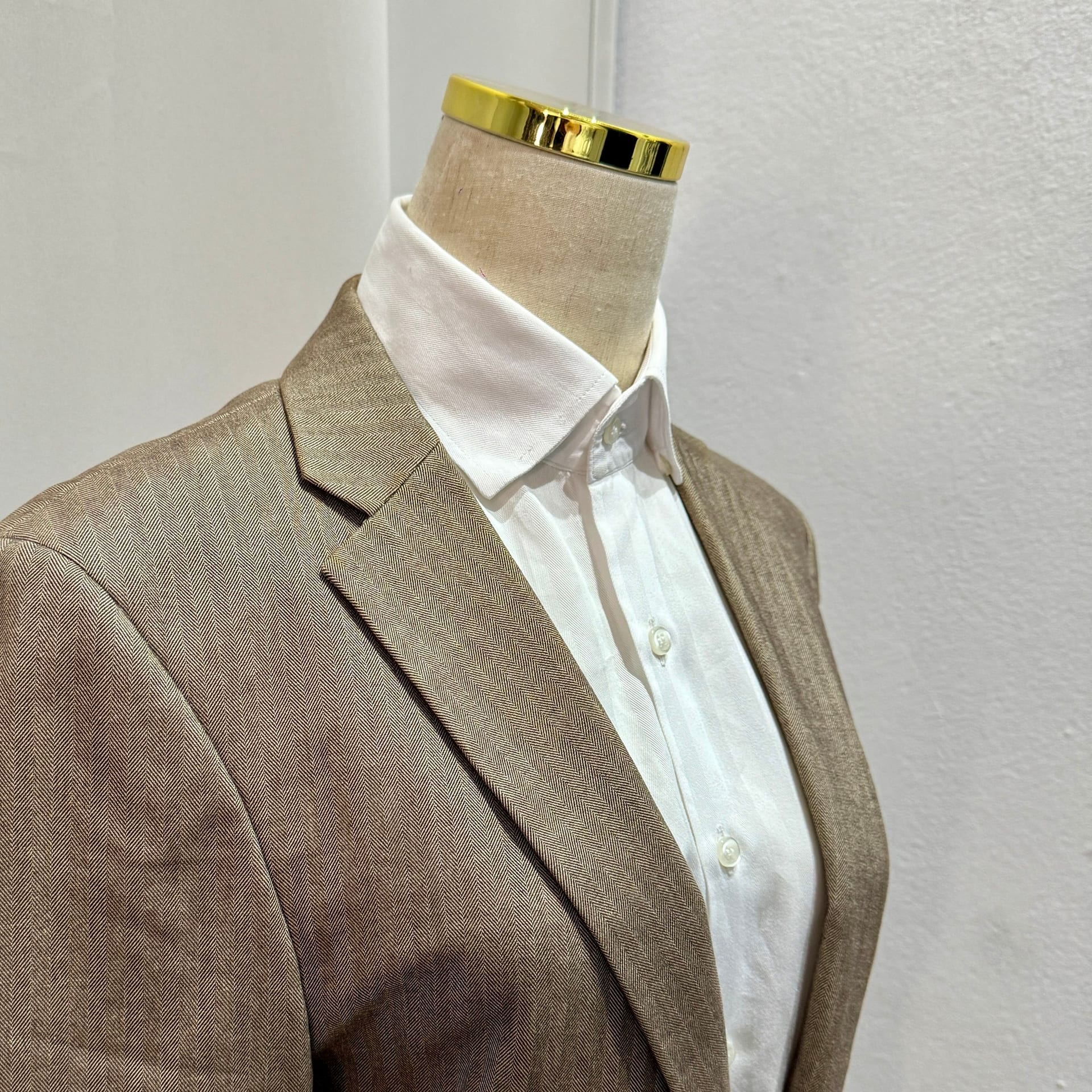
Wool is what we recommend first, almost regardless of climate. A lightweight Merino around 240 to 260 grams works year-round in Bangkok offices, where the air conditioning is the real climate rather than the street outside. A 280g tropical weave still wears comfortably for daily Bangkok use, while heavier worsteds around 320g earn their keep on flights and in cooler boardrooms.
On our shelves you'll find Holland & Sherry, Vitale Barberis Canonico, and Drago, all Italian and English mills we've worked with for years.
2. Cotton
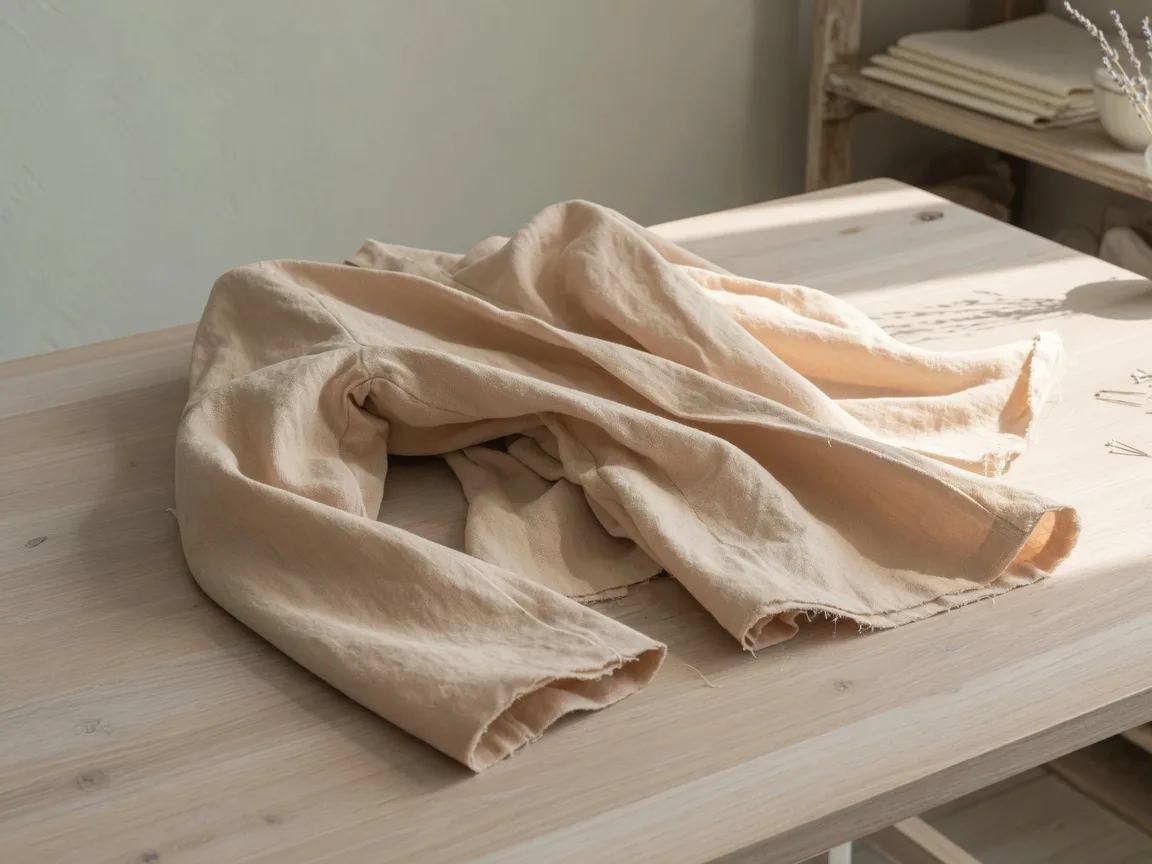
Cotton is the most forgiving suit fabric in real Bangkok weather, Songkran-month humidity included. It wrinkles, but it breathes, and a creased cotton blazer reads as intentional in a relaxed setting. We pick cotton for wedding-guest suits, gallery openings, anything where you'll be moving and sitting through a long day.
3. Linen
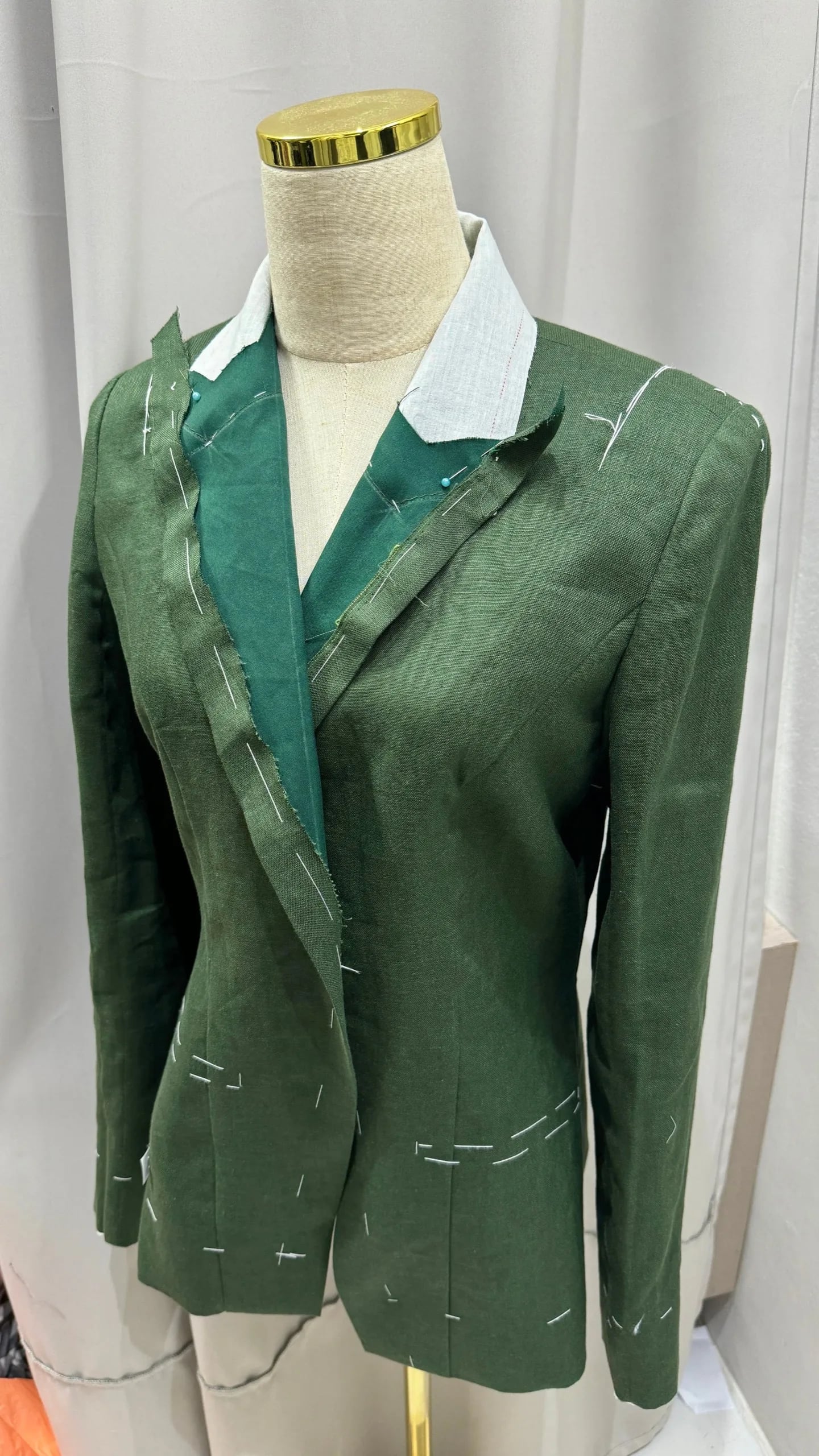
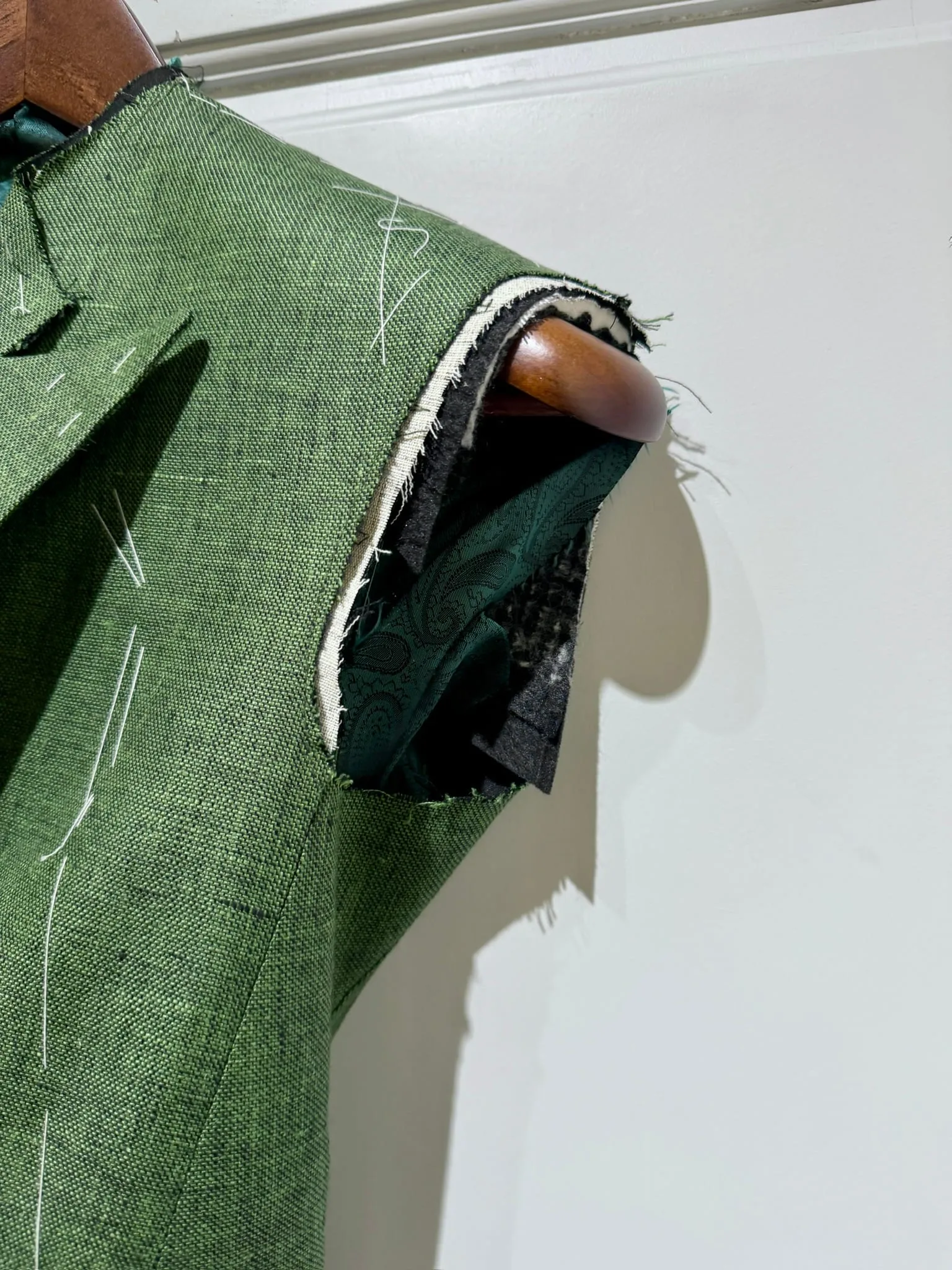
Linen wrinkles. That's the trade-off, and we won't pretend otherwise. By lunch, the back of your blazer will tell stories. The upside is real: it breathes better than anything else we cut, it ages beautifully, and a good Italian or Irish linen suit reads as confident rather than fussy.
Don't pick linen if creases bother you. If they don't, we've written a whole love letter to linen suits with weights, blends and colours.
4. Silk
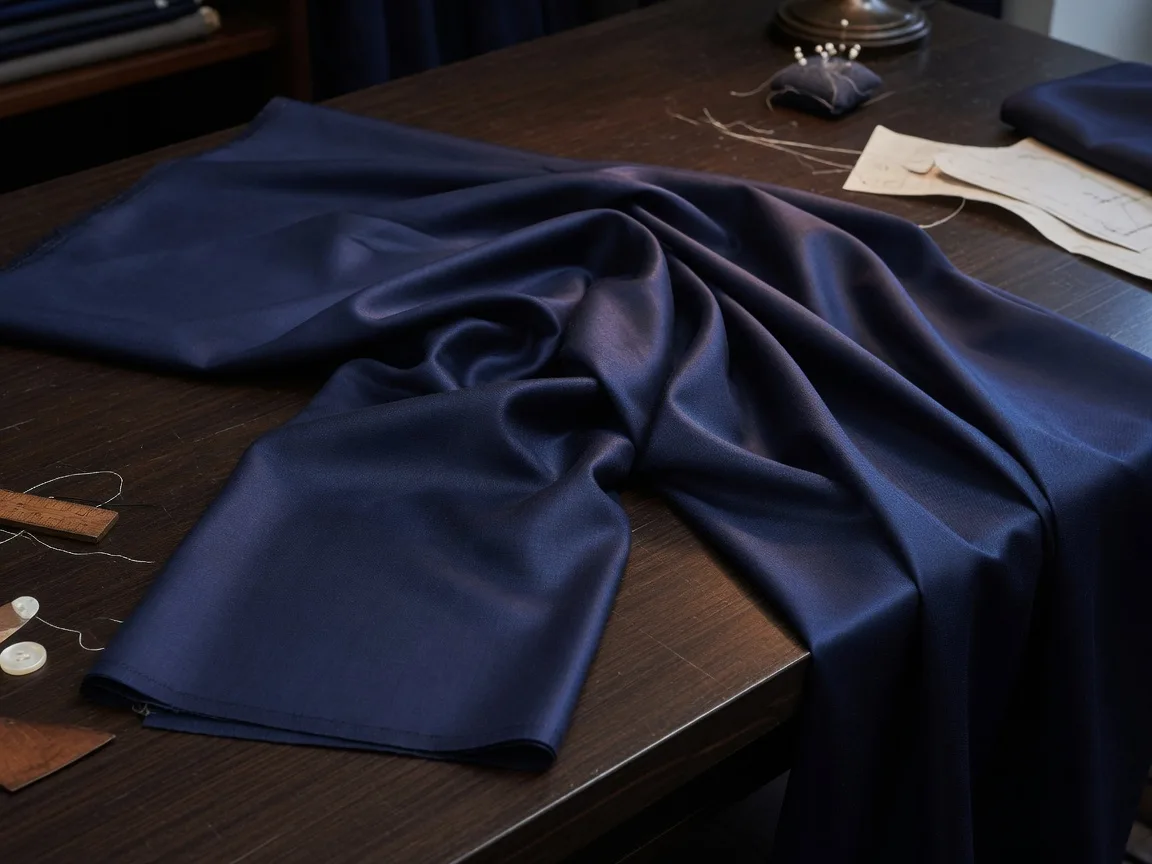
Silk in our hands is mostly an evening fabric. It catches light in a way wool never can, but it's delicate and it shows perspiration. We often blend it. An 80/20 wool-silk keeps the sheen while gaining structure. As a single statement piece, silk is worth the upcharge. As a daily suit, less so.
5. Polyester and blends
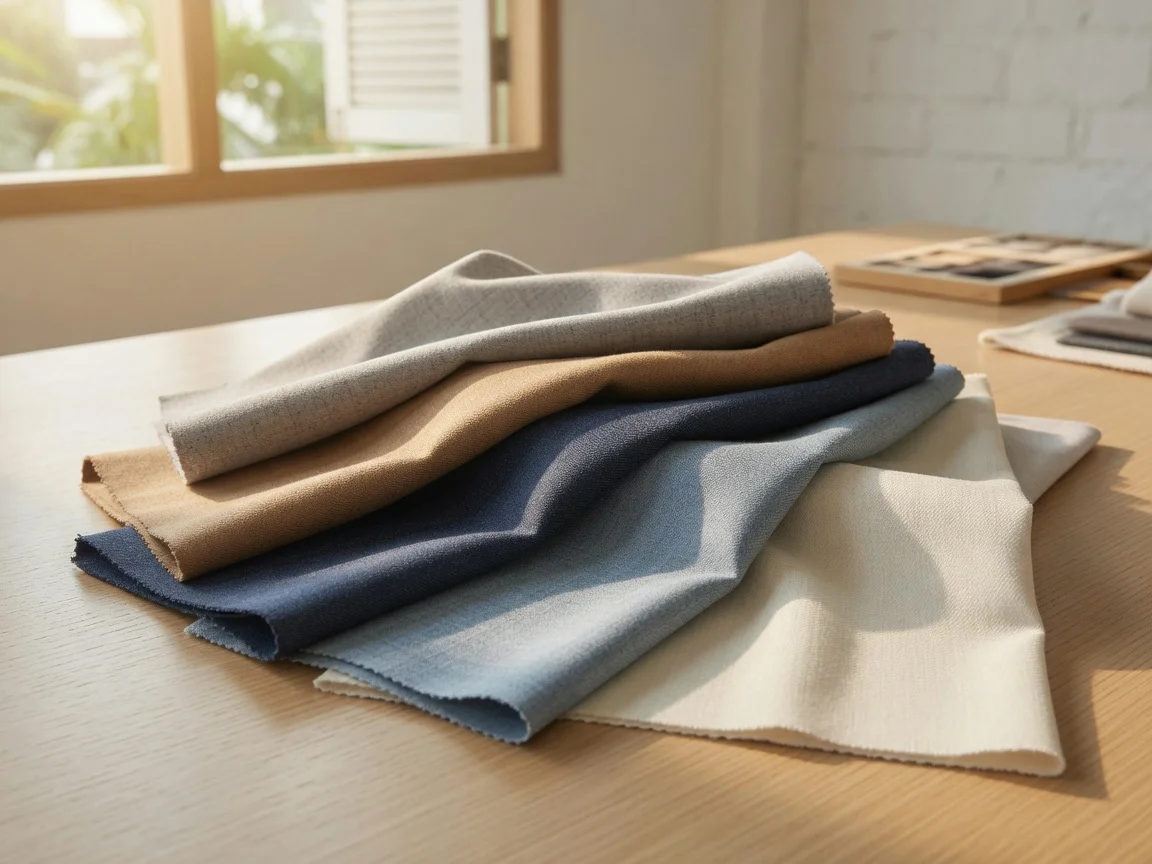
Polyester gets unfairly dismissed. A modern Japanese poly-wool blend (the Tina 83 range we keep at the atelier is one example) wrinkles less than pure wool, holds its press, and washes more cleanly. For a first tailored suit, or a working suit you'll wear weekly, a good blend is honest value. The tells of cheap polyester (plastic sheen, stiffness, no give) disappear in the better grades.
6. Tweed
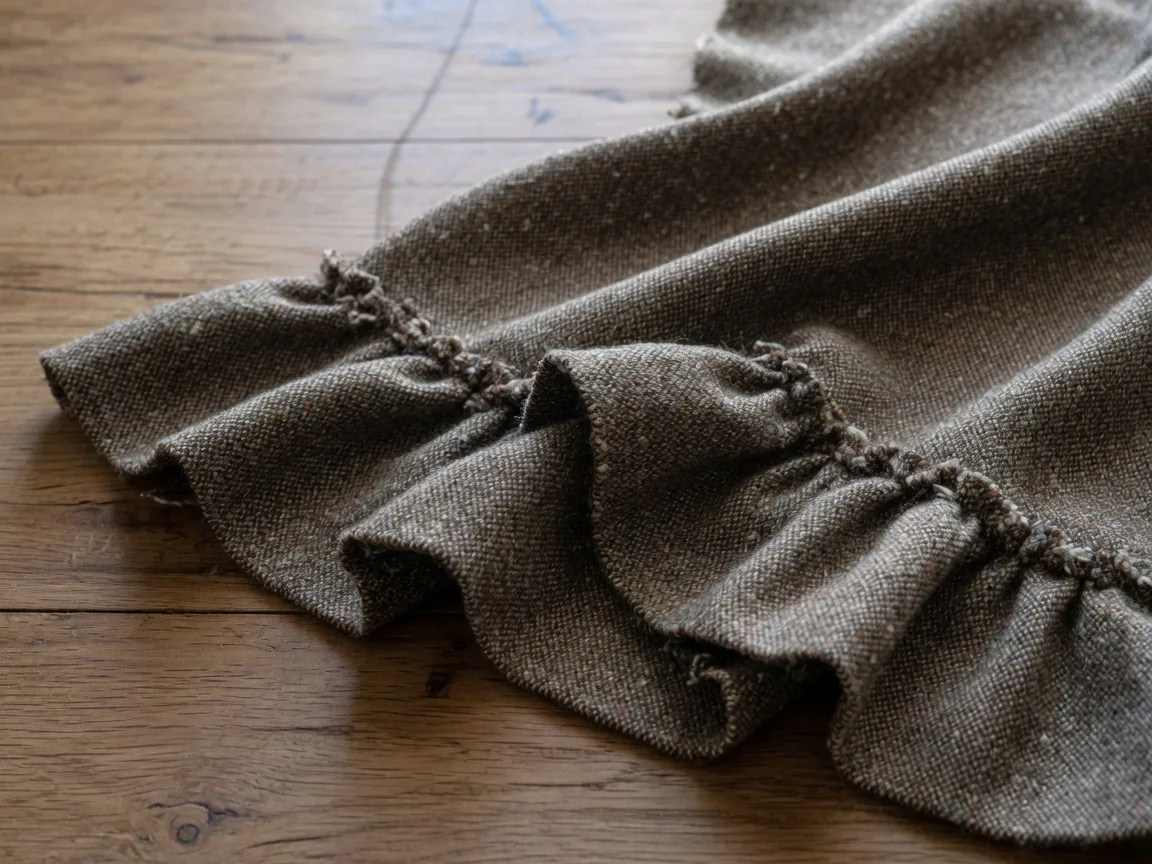
Tweed isn't a Bangkok fabric, but it travels well. If you're commissioning a suit for European trips or consistently cool boardrooms, a midweight Donegal or Harris tweed gives you texture nothing else can. We'd avoid the heavy estate weights for daily wear here. They're warm even in air conditioning.
7. Velvet
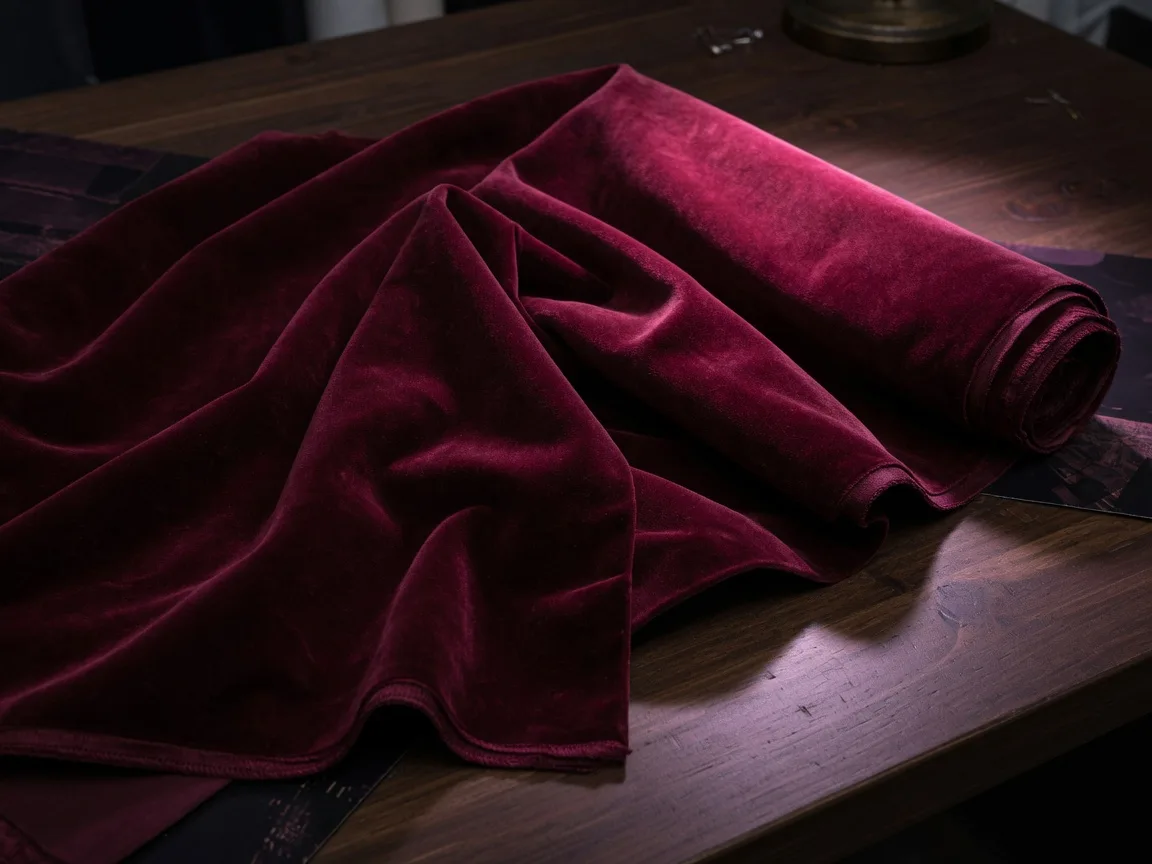
Velvet is for evening events and one-off pieces. Cotton velvet drapes more honestly than synthetic; silk velvet is heavier and reads as formal even in a relaxed cut. We wouldn't recommend a velvet suit as your only suit, but as a third or fourth, it earns its place.
The most elegant suit fabrics, if you ask us
When a client asks for the most elegant option in the room, we reach for a fine worsted first: a Super 120s to 150s wool drapes cleanly, carries a quiet sheen, and photographs the way good tailoring should. Wool-silk blends add a soft glow for award nights and black-tie dinners.
Wool crepe gives fluid, feminine tailoring that moves like a dress but reads as a suit. And for after dark, a velvet jacket over a crepe trouser is hard to beat.
Elegance in cloth is mostly fineness plus restraint: choose one quality to show off (drape, sheen or texture) and keep the other two quiet. The luxury mills we stock, Holland & Sherry, Vitale Barberis Canonico and Drago among them, make that choice a pleasant problem to have.
Quick answers on suit fabrics
About 2.5 to 3 metres of 150 cm wide cloth for a jacket with trousers or a skirt.
Add half a metre for pattern matching on checks and stripes, and a little more for very long jackets.
240 to 260 grams year-round if your days are mostly air-conditioned, and tropical weaves up to 280 grams still wear comfortably.
Save anything heavier for travel and cold boardrooms.
A good modern blend, yes. The better Japanese poly-wools hold a press, survive weekly wear and shrug off humidity.
What you're avoiding is the cheap, shiny grades, not the fibre itself.
Choosing what's right for you
Most clients walk in thinking they want one fabric and leave with another. The honest answer usually depends on small things: how cold the AC runs in your office, whether you mostly take taxis or walk, how often the suit will see a steamer between wears. We'll talk through it with you as part of our process, and you can feel the cloth before committing. From there the cloth becomes a bespoke women's suit drafted to your measurements, jacket, trousers or skirt.
If you'd like to see what's currently on the bolts, take a look at our overview of dressmaking fabrics we recommend, or browse the fabrics we carry year-round. And women's suit pricing is published, if you'd like numbers before you visit.
Book a Suit Consultation