
Plain silk usually wins in Bangkok: it breathes better than dense lace, keeps a calm line under strong light, and lets you be the detail. We still use lace. We just refuse to let it become the whole argument of the dress.
Every month someone walks in with a phone full of lace: big flowers, heavy overlays, the kind of Instagram drama that looks perfect in a soft boutique mirror. We smile, we look, and then we open the silk books. After 37 years of fittings on Rama 4 this is not snobbery. It is what real bodies, real humidity, and real photographs the morning after have taught us. Here is why we love plain silk more than loud lace, and the few times we still reach for lace with both hands.
Lace wants to be the event. Silk wants to be the woman.
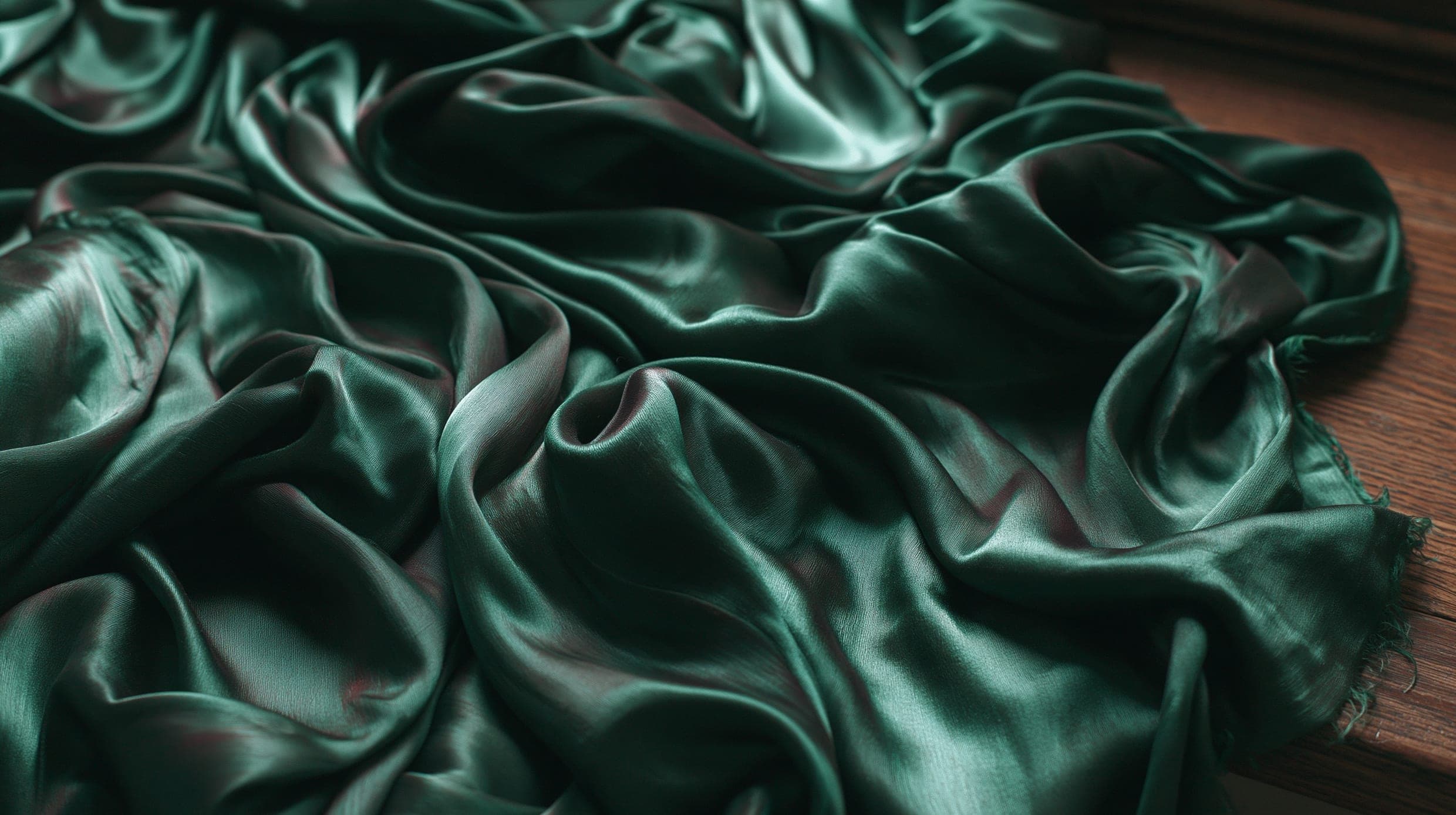
What loud lace promises (and delivers for five minutes)
Loud lace is not bad cloth. It is a very specific mood: more pattern, more texture, more camera effect. Under soft fitting-room light it can look expensive and romantic in five seconds flat. That is why it sells so well online and in bridal magazines, and why so many mood boards end there.
The problem is the rest of the day. Dense lace is heavy. It traps heat. It snags on chairs and car doors. A huge motif can make a short frame look busy and a tall frame look a little costume. Put that same gown in a Bangkok wedding venue with gold walls, floral arches and a dozen phones in your face, and the lace is already competing with the room before you have said a word.
We meet this often in alterations: a lace gown that looked perfect on the hanger, then fights the body at the waist, the underarms and the train. The pattern does not stretch the way a living person needs to move. Romance on a hanger is easy. Romance through a humid afternoon is another craft.
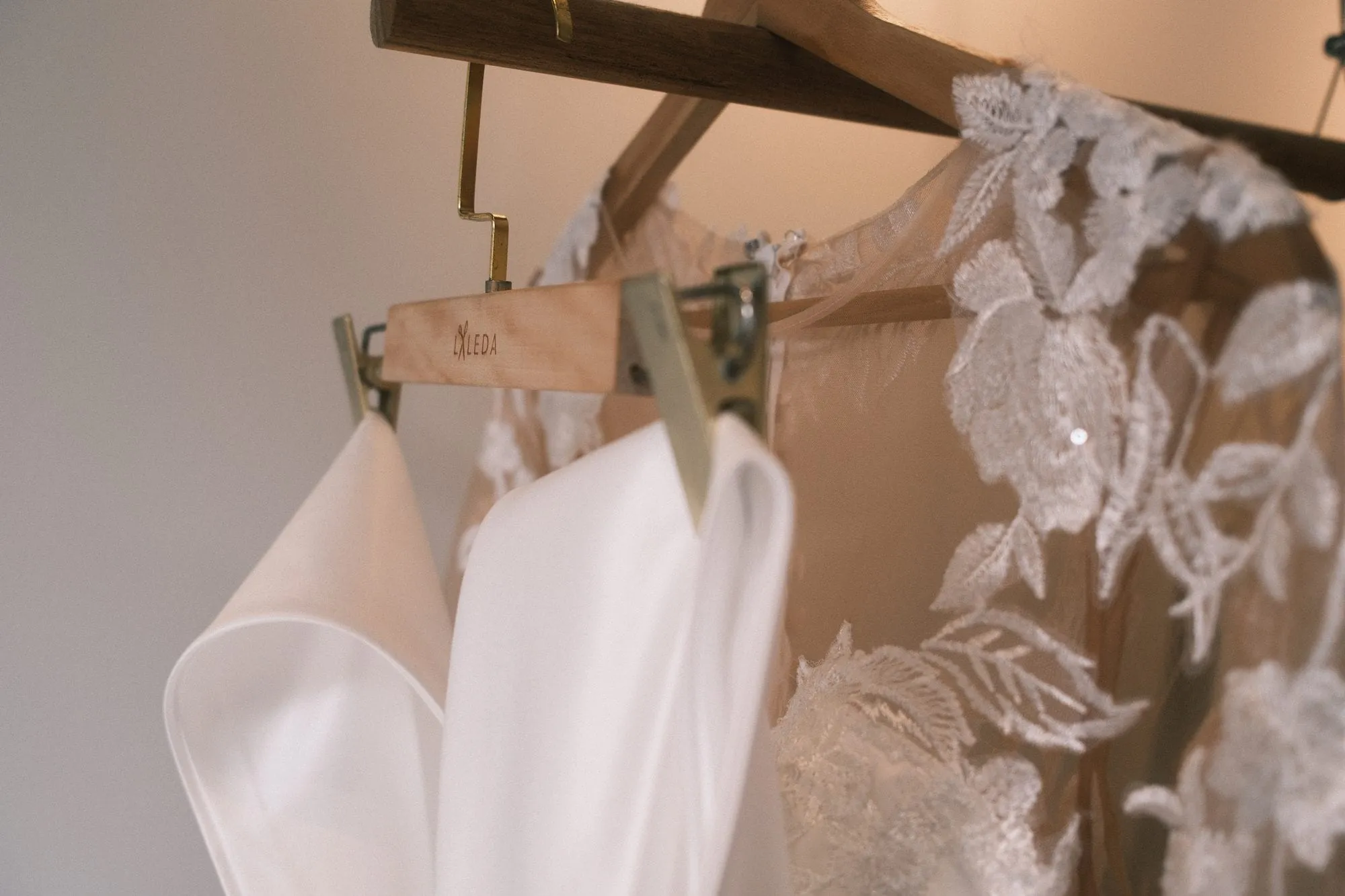
What plain silk actually does
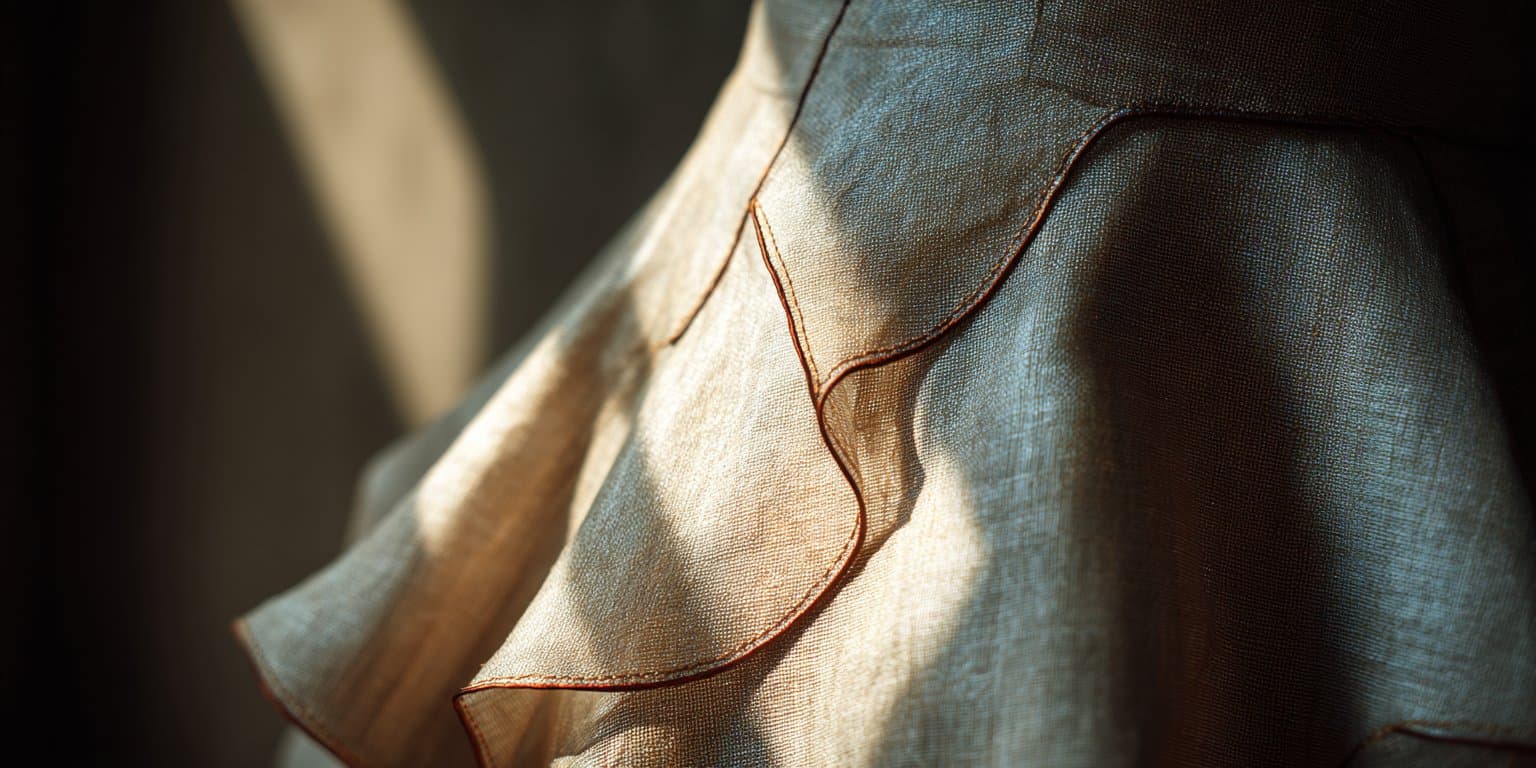
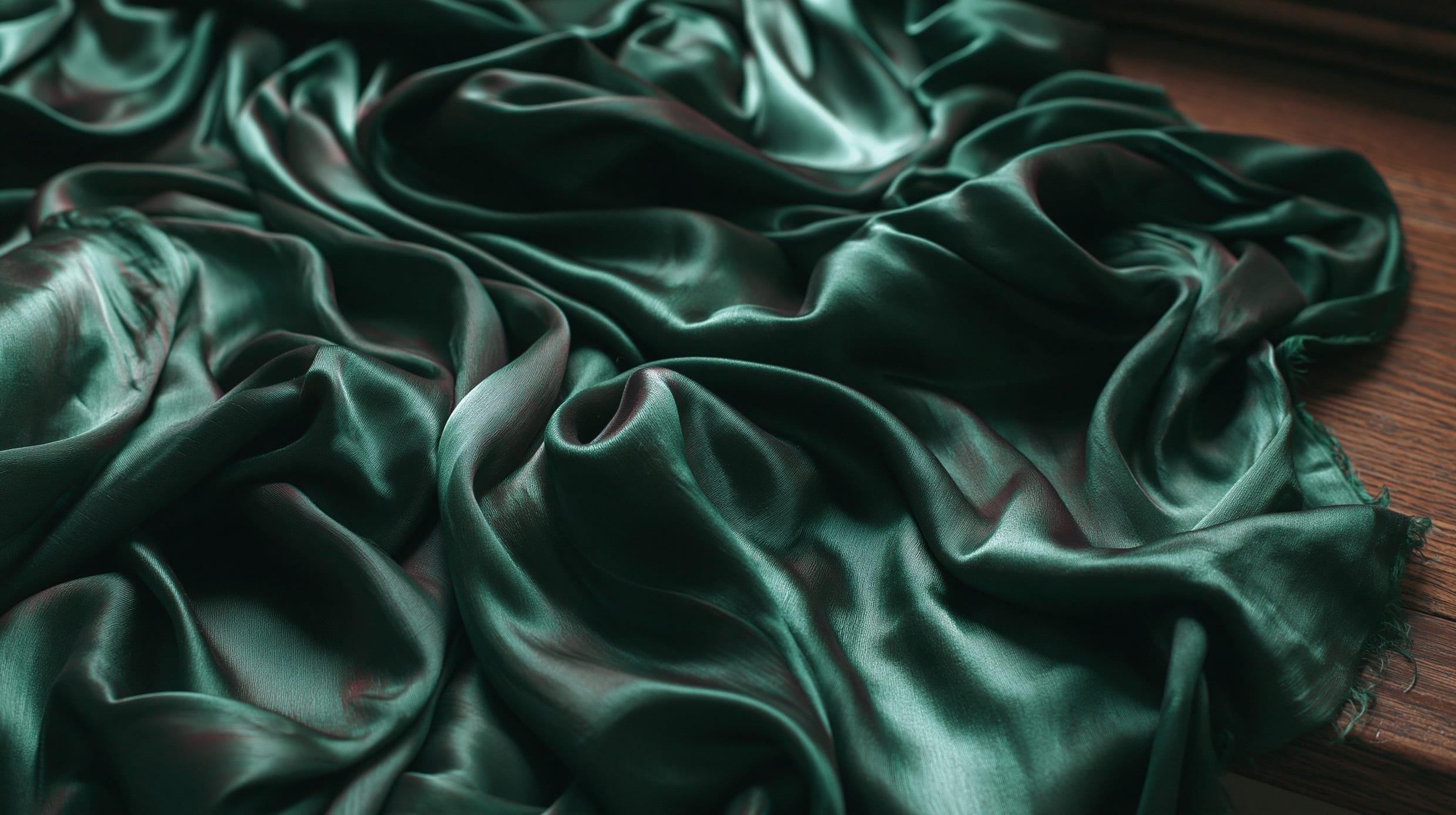
“Plain” does not mean boring. It means the surface is calm enough that cut, fit and light can do the talking. Good silk has a natural depth: the colour shifts as you walk, the drape follows the hip, the hem draws a clean line on the floor. You notice the woman first, then the dress, which is usually what people mean when they say someone looked expensive.
Different silks do different jobs. Duchess silk holds a sculpted skirt. Silk crepe falls softly without cling. Charmeuse is liquid for a bias slip. Thai silk has body and a slightly dry hand that reads as local luxury without looking costume. If you want the shopping map, our Thai silk guide is the companion; for evening cloth in general, start with textured vs smooth evening fabrics.
In practice, plain silk tends to give you a cleaner silhouette (the eye follows the body, not a motif grid), better behaviour in heat (one silk layer plus lining usually out-breathes a lace sandwich), kinder photographs under hotel light, and a gown that is easier to rewear or pass on without looking stuck in one season’s trend.
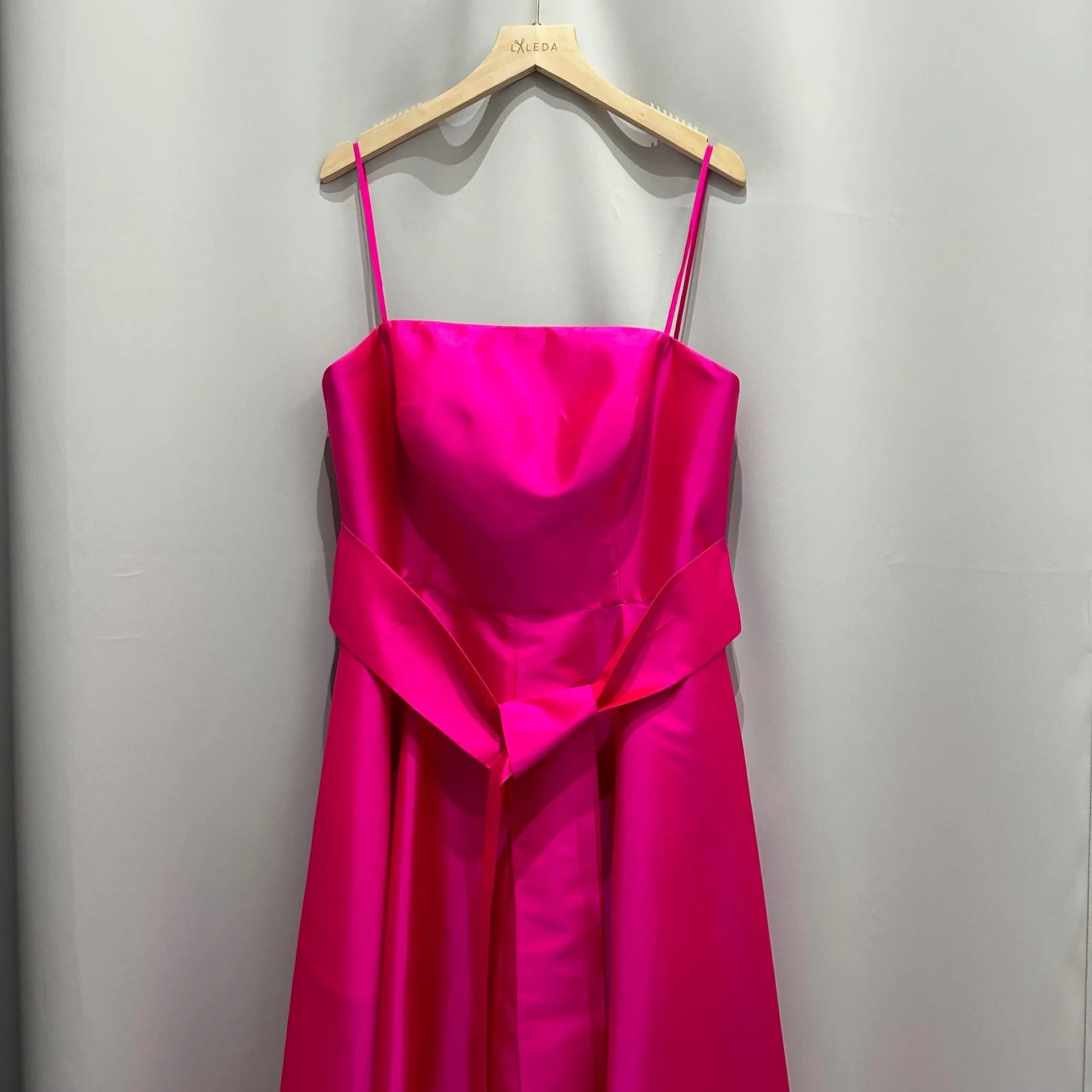
Bangkok light and heat change the argument
This opinion is partly geographic, and we are happy to own that. In a cool dry climate a heavy lace ballgown can feel grand all evening. Here outdoor ceremonies, boat transfers, open-air dinners and 70% humidity are normal. Dense lace holds heat against the skin. Motifs that looked soft in a boutique can look busier under harsh noon light. We have written a longer love letter to that climate in Getting Married in 35°C; this piece is the fabric half of the same truth.
Plain silk is simply more forgiving. It moves air. It snags less on wooden chairs and outdoor steps. Under chandeliers at a riverside hotel it still looks expensive, because the expense is in the cloth and the cut, not in how many flowers are printed into the net.
When we still use lace (on purpose)
We are not anti-lace. We are anti-default lace: the assumption that romance requires covering every centimetre. The best lace work we do is edited. A sleeve over a smooth silk bodice. Appliqué that follows a neckline or seam, then stops. A panel at the back with silk everywhere else. Soft chantilly as a second layer, never the only layer for heat.
That way the romance stays and the silhouette stays yours. If you already own a lace gown that is fighting you, we can often calm it in alterations: lighten overlays, open the underarms, rebalance bulk at the hip. Sometimes the fix is not “more lace.” It is less.
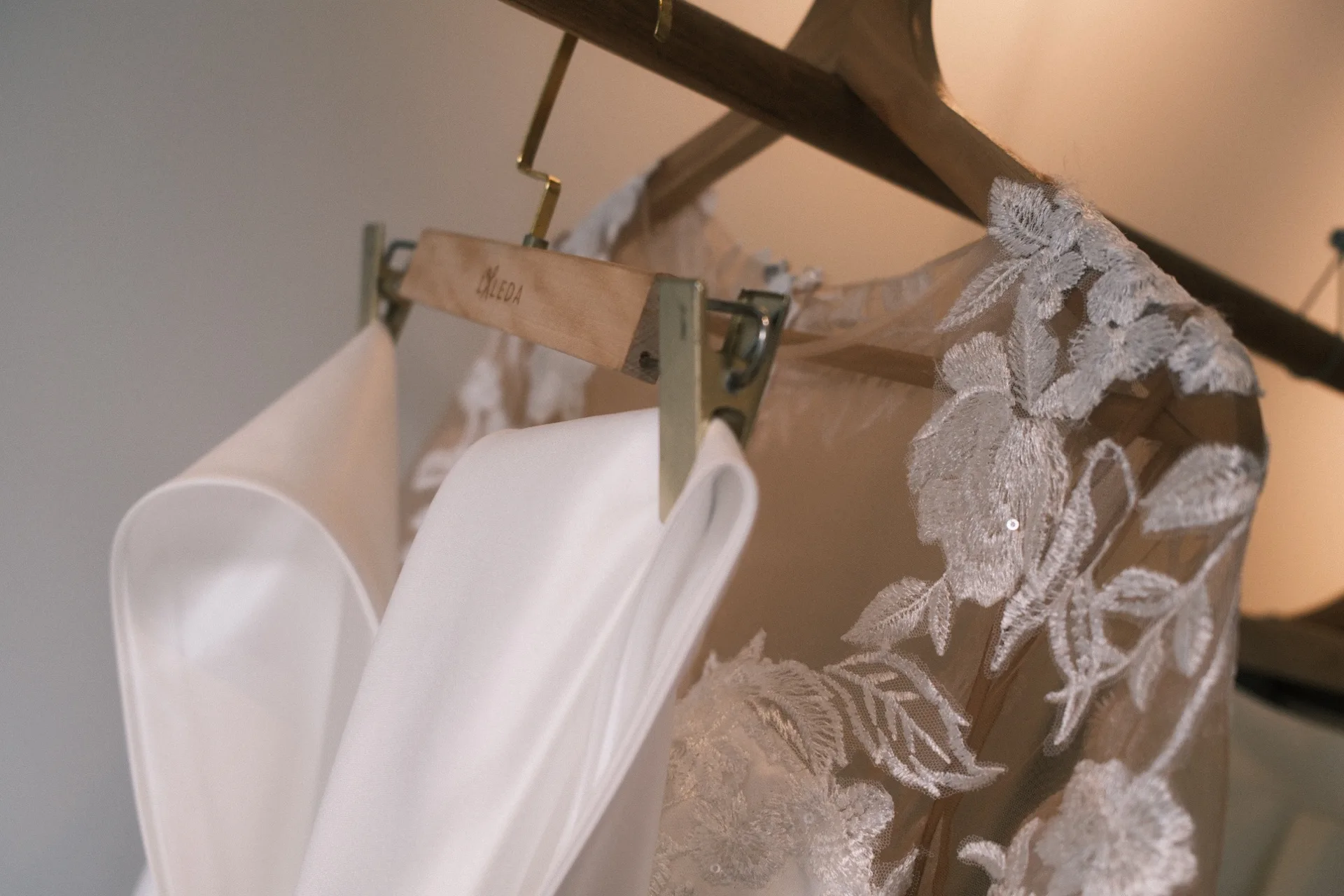
How a consultation actually goes
We put both options in your hands. You feel the weight of a lace bolt next to a silk crepe. You walk a few steps. You look in the mirror with pattern noise and without it. Most people who arrived certain they “needed lace” leave with silk, or with silk plus one small lace decision they can live in all day. That is not us winning an argument. That is the cloth telling the truth faster than a Pinterest board.
If you are planning a custom wedding dress or a quiet evening gown, start with cloth, not with a motif. For the practical path after the opinion, our fabric-for-a-dress guide and tailored vs off-the-rack sit next door.
Quick answers
For many Bangkok brides, yes. Plain silk holds a clean line in humidity, photographs well under hotel light, and does not compete with your face or the venue.
Lace is lovely when it is edited: sleeves, a neckline, a panel, not a full-body shout.
Duchess silk and silk crepe for structure and quiet shine; charmeuse for bias slips; Thai silk when you want body and local character.
We match the weave to silhouette, venue temperature and how much movement you want.
When you want romance in a controlled dose: lace over silk, appliqué along seams, or sleeves with a smooth underdress.
All-over heavy lace for outdoor heat is usually the harder day.
Come feel both
Opinions on a website are cheap. Thirty seconds with a bolt of good silk next to a loud lace is not. Your hands decide faster than any paragraph.
Book a fabric consult. Bring venue photos and the mood board. We will be honest if lace is the right note, and happier still if plain silk is the whole song.
Book a Fabric Consultation