
The fabric is the dress. Once it's chosen, the silhouette, comfort, and lifespan are mostly settled before a single seam is cut.
Weight, texture, stretch, durability and breathability: get those five right and the dress almost designs itself.
Whether you're picking from our own bolts or from one of the many fabric shops around Bangkok, the framework is the same. Here are the five things we'd weigh with you at the atelier, in roughly the order they matter.
1. Weight
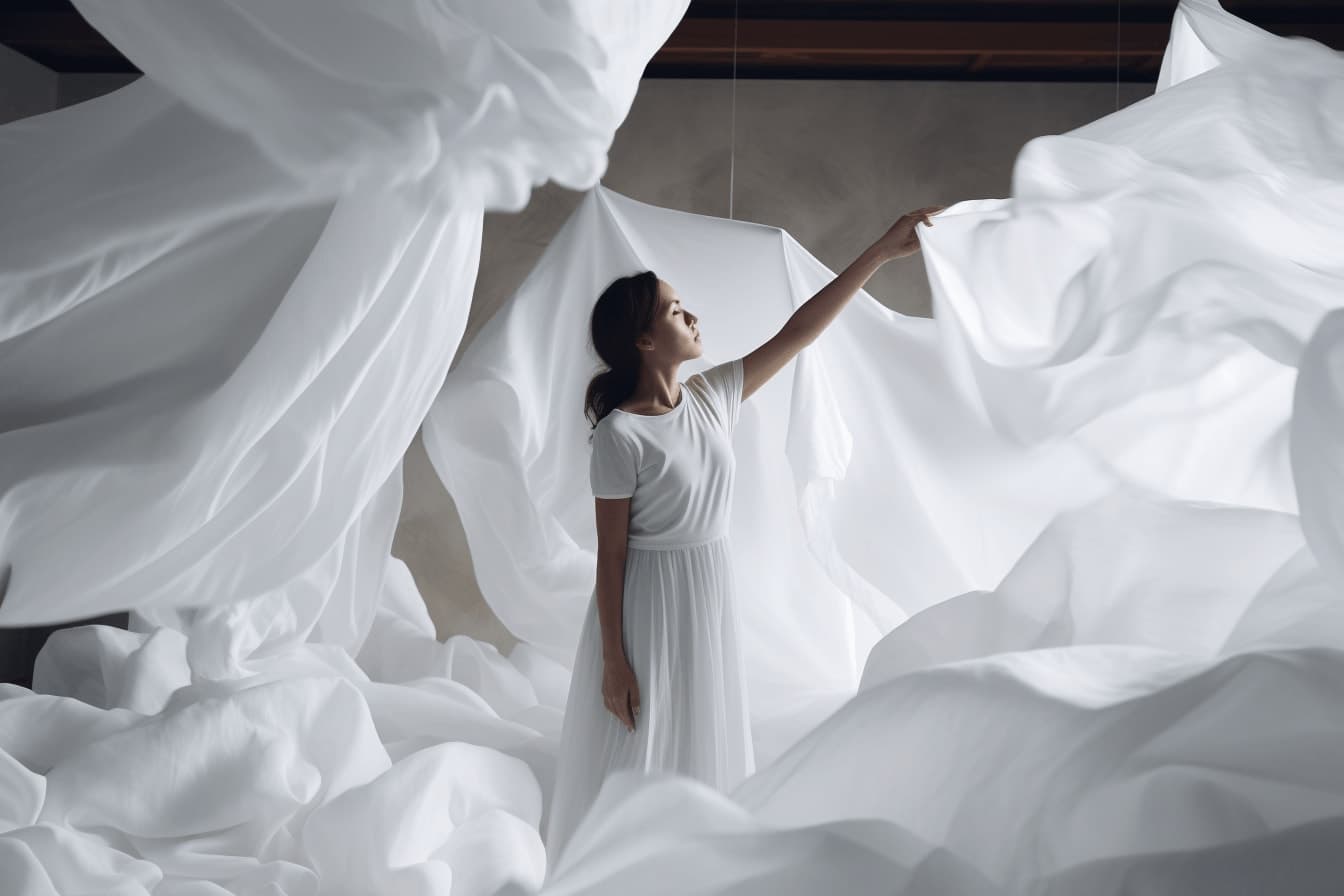
Weight controls drape. A lightweight chiffon or silk falls and floats; a heavier wool or denim holds a shape and gives you architecture. If a dress lives or dies on movement (evening wear, garden parties), go light. If it's about line and structure (a fitted bodice, a sharp midi), go heavier.
2. Texture
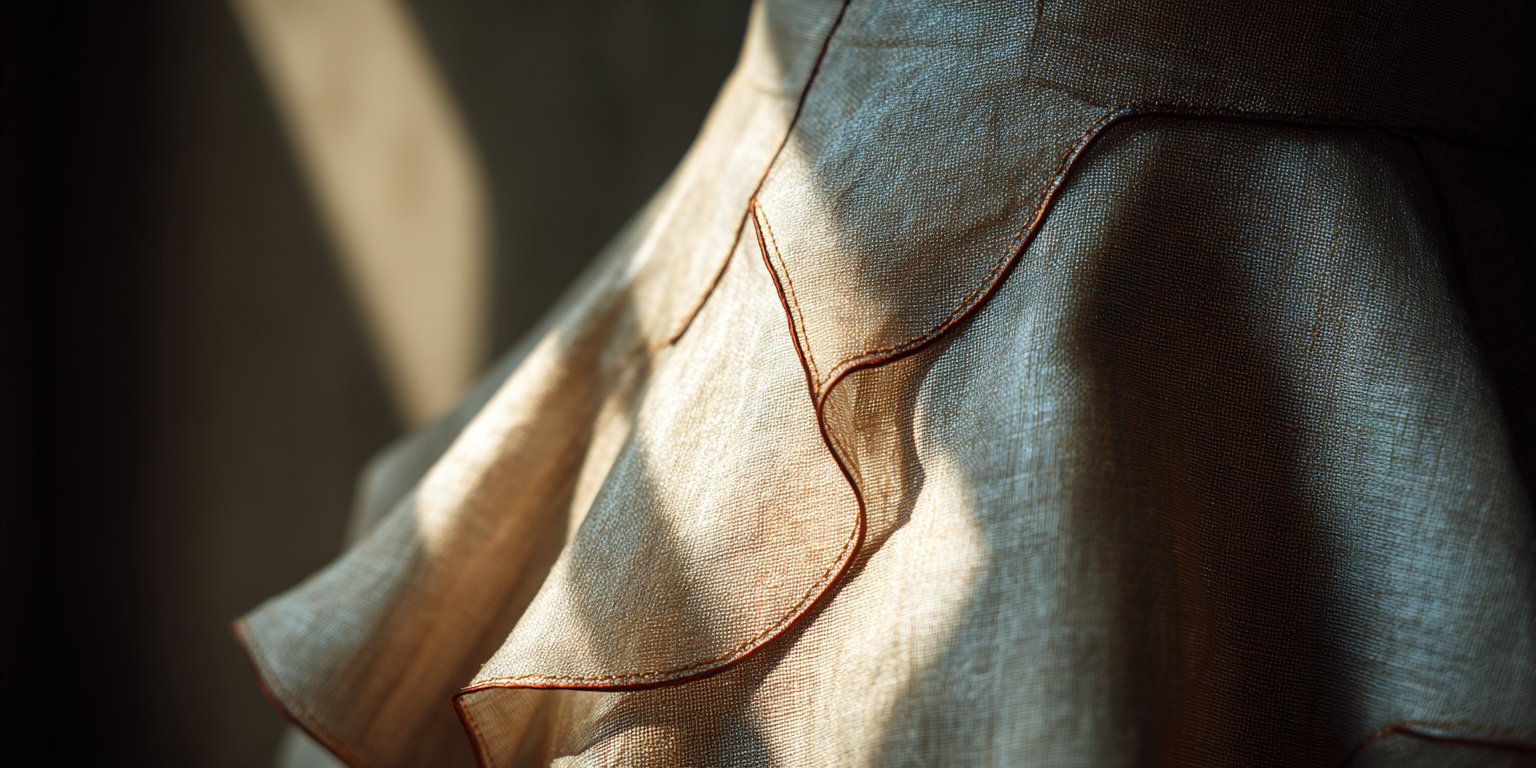
Texture is what reads in photos. A subtle weave (tweed, linen, satin crepe) gives quiet depth. A pronounced surface (lace, embroidery, brocade) does the talking on its own. We usually pair busy textures with simple cuts and clean textures with more shape, so the dress doesn't fight itself.
3. Stretch
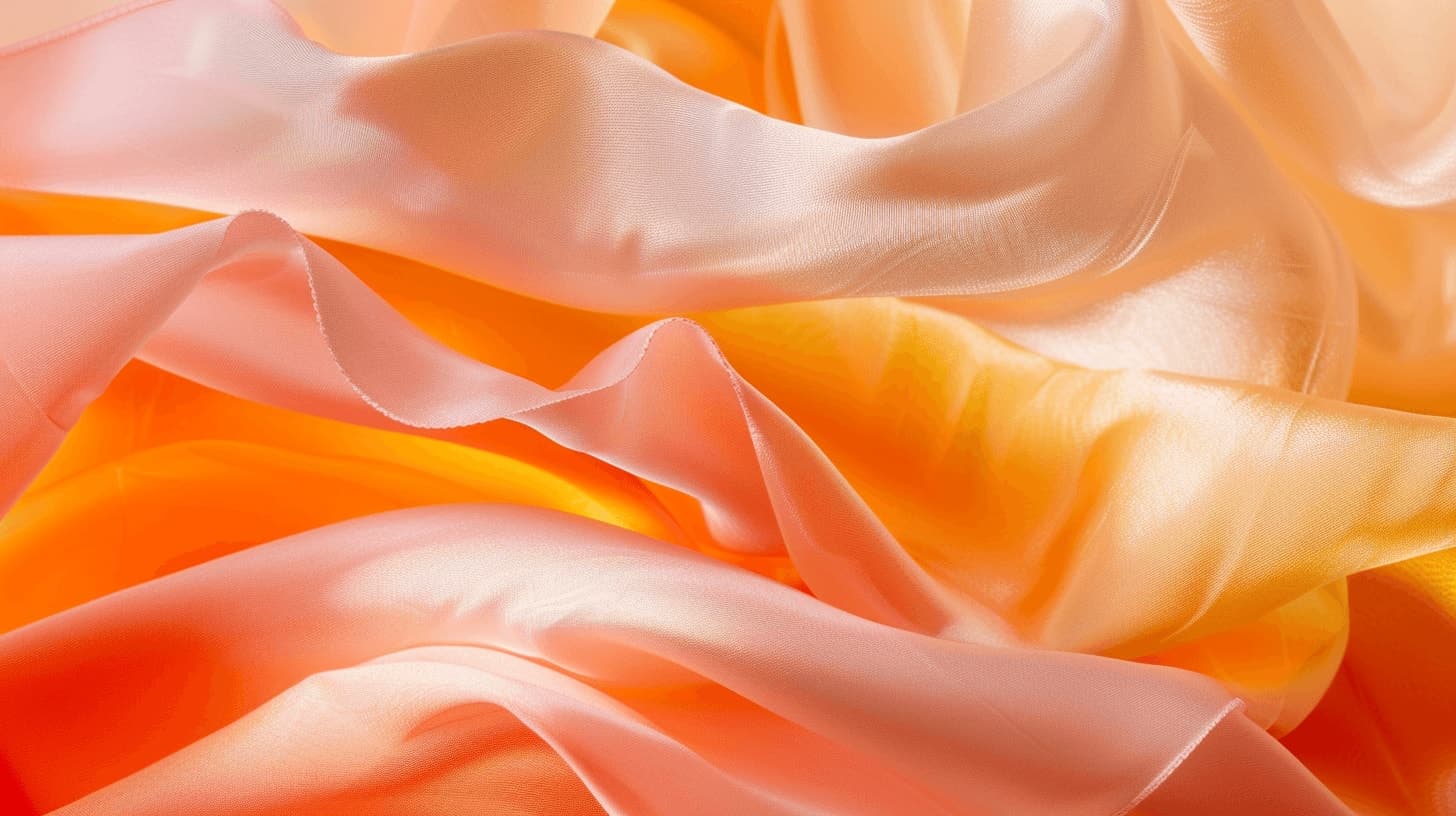
A few percent of elastane in a woven dress fabric is the difference between sitting comfortably through dinner and counting the hours. We add stretch where it earns its keep (waistlines, fitted bodices) and avoid it where structure matters.
4. Durability
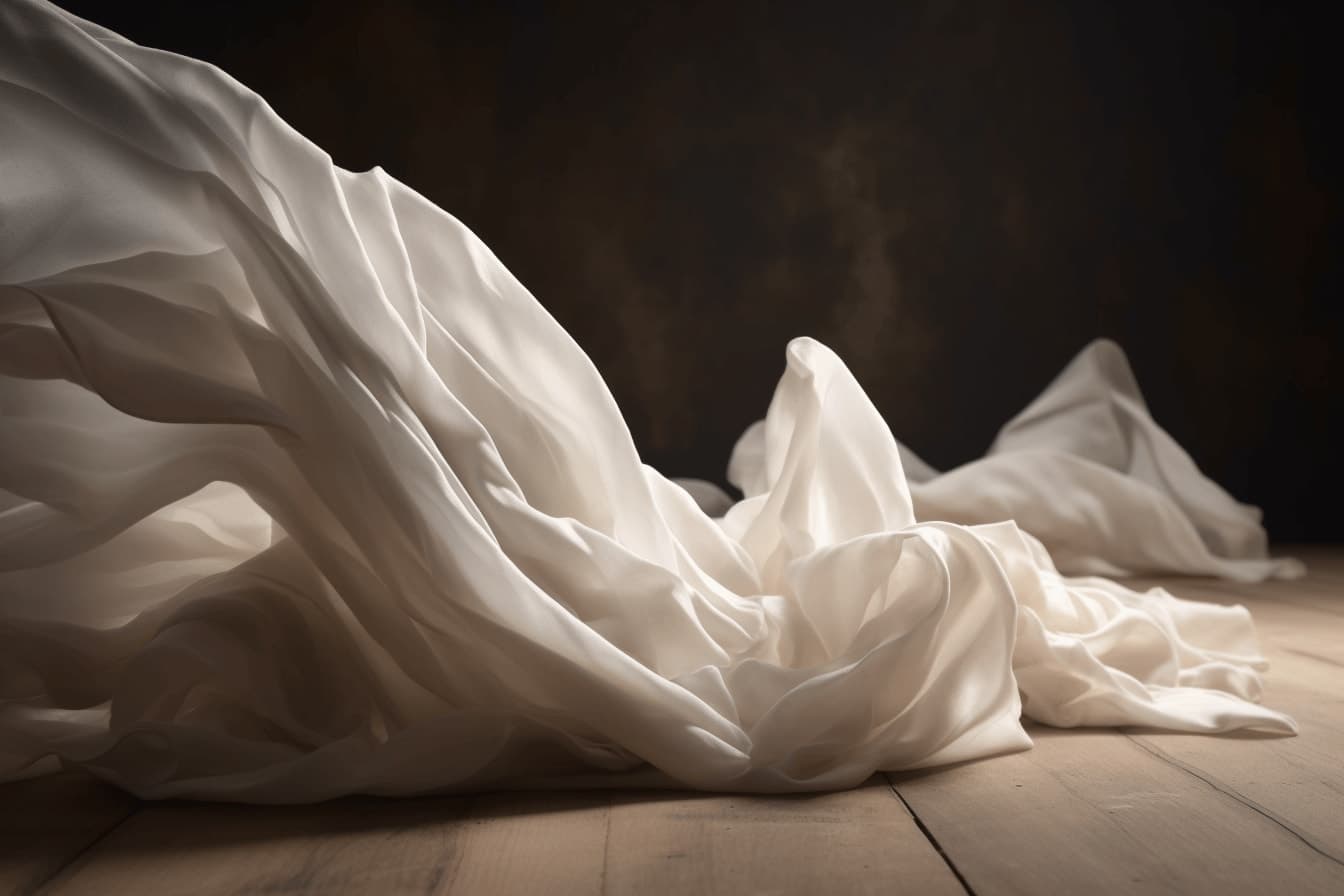
How often will you actually wear it? A wedding-only gown can prioritise a delicate fabric. A weekly work dress wants something more honest: a 100% wool, or a modern polyester blend that holds shape, washes cleanly, and resists pilling. We'd rather you wear a sturdy dress thirty times than a precious one three times.
5. Breathability
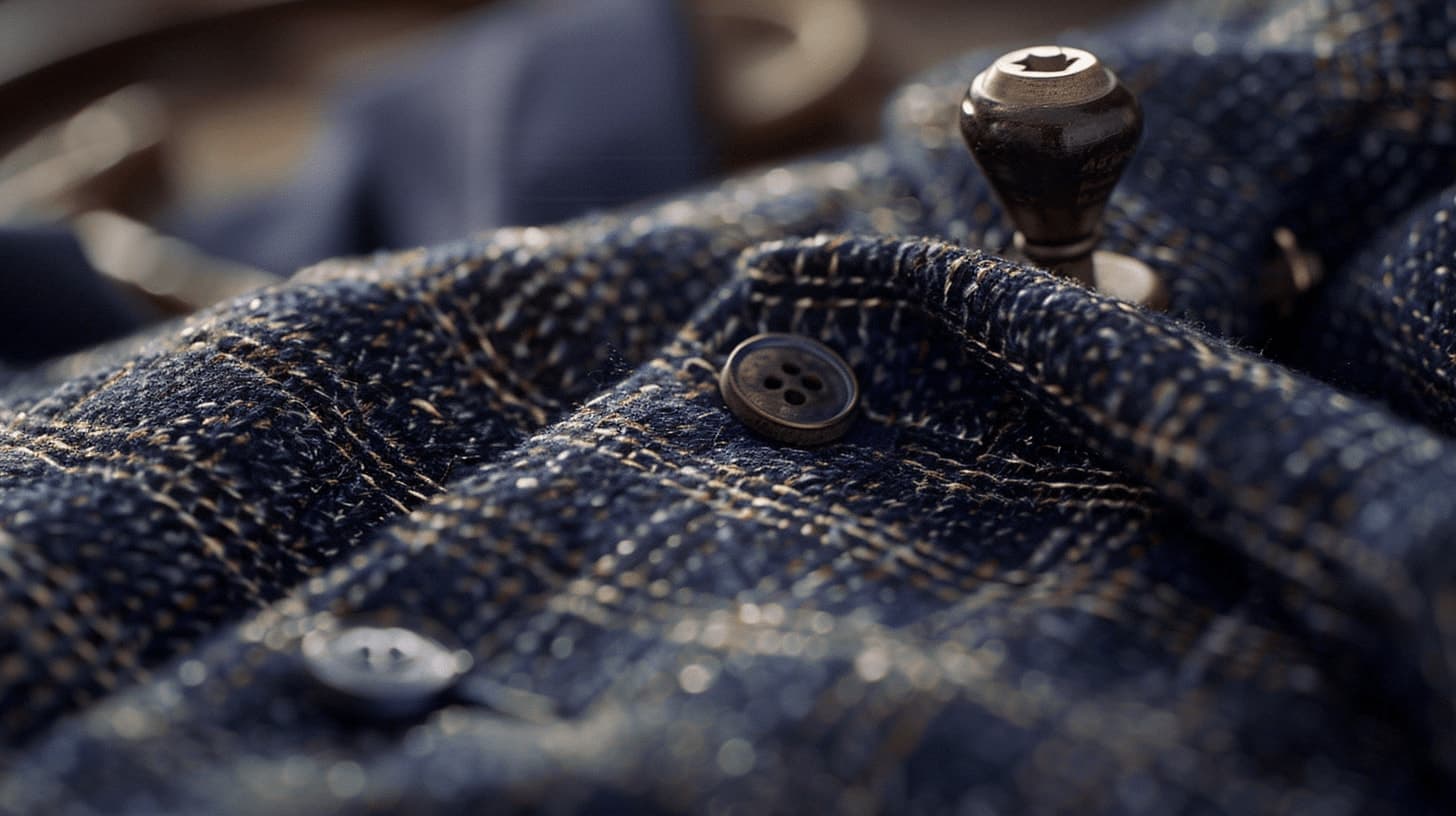
In Bangkok, breathability isn't seasonal, it's daily. Cotton and linen breathe; silk and viscose are middle-ground; most polyesters trap heat. If the dress will see outdoor wear, daytime weddings, or non-AC venues, we'd push for a natural fibre or a thin lining. The lining you pick matters as much as the shell here.

Get these five right and the dress works. Skip them and no amount of careful sewing makes up for it.
Common dress fabrics at a glance
Once you know what weight, texture and stretch you're after, the names start to mean something. Here is how the fabrics we cut most often stack up side by side: breath, durability, stretch, and real Bangkok heat, not a lab chart.
Atelier comparison
Dress fabric comparison
Nine fabrics we cut most often, scored the way we talk about them at the atelier.
| Fabric | Weight | Breath | Durability | Stretch | Bangkok heat | Best for |
|---|---|---|---|---|---|---|
| Cotton / poplin | Mid | Shirt dresses, daywear | ||||
| Linen | Mid | Hot outdoor days | ||||
| Viscose / rayon | Light | Relaxed midis | ||||
| Silk | Light | Glow, special pieces | ||||
| Satin / duchess | Heavy | Evening structure | ||||
| Crepe | Mid | Work & cocktail | ||||
| Chiffon / georgette | Light | Layers, guests | ||||
| Jersey / knits | Mid | Travel, comfort | ||||
| Lace / brocade | Mid | Occasion statements |
Same fabrics, with when they actually earn a place in the dress:
Cotton and poplin
Crisp, breathable, easy to press. The default for shirt dresses and daytime wear.
Great when
- You want a shirt dress or a clean daytime silhouette
- The dress will be worn often and needs to press back easily
- Bangkok heat is the first constraint, not evening shine
Linen
The coolest fibre in real heat. Creases honestly and looks confident doing it.
Great when
- Outdoor or daytime events where breathability beats a pressed look
- You like a relaxed, slightly crumpled surface as part of the style
- The dress should feel cool against skin for hours, not only in photos
Viscose and rayon
Drapes like a heavier silk, breathes well, costs less. Lovely for relaxed midi dresses.
Great when
- You want silk-like fall without silk-level cost or care
- A midi or wrap dress should skim rather than stand away
- Day-to-dinner wear in humidity, with a light lining at most
Silk
Light, lustrous, delicate. Unbeatable glow, but it asks for careful keeping.
Great when
- The occasion justifies a quieter luxury than high-shine satin
- You can store and clean it properly between wears
- Weight and drape matter more than wash-and-go practicality
Satin and duchess satin
The glamour pair, fluid versus structured. Both shine, literally.
Great when
- Bias-cut or close-fitting evening dresses want regular satin
- Sculpted gowns and bridal shapes need duchess for body
- The room is air-conditioned and photos should read luxe
Crepe
Matte, springy, forgiving on the body. A workhorse for cocktail and work dresses alike.
Great when
- You want a modern, no-shine dress that still looks finished
- A work or cocktail shape should hang away, not cling
- The dress needs to survive a full day and still look pressed
Chiffon and georgette
Sheer, floating, always lined. Built for movement and layers.
Great when
- Overlays, tiers, or a garden-guest dress need air and movement
- Outdoor heat rules out heavy satins and taffeta
- Georgette's extra spring is useful if you will dance in it
Jersey and knits
Stretch and comfort first. Easy to travel in, trickier to tailor sharply.
Great when
- Comfort and packability matter more than a crisp tailored line
- The dress should travel, sit, and move without a fuss
- You accept a softer finish instead of a pressed architectural shape
Lace and brocade
Statement surfaces for occasions. Pair them with simple cuts and let them talk.
Great when
- A neckline, sleeve, or overlay should carry the interest
- The cut stays simple so the surface is not competing with itself
- The occasion (bridal, evening) justifies a fabric that is mostly a finish
Best fabric by dress type
The shortcut version, based on what we actually cut at the atelier:
- Work dress: wool, a poly-wool blend or crepe. Holds a press through meetings and washes without drama.
- Everyday Bangkok dress: cotton, linen or viscose, with a thin lining at most. Breathability wins.
- Cocktail dress: satin crepe, georgette or a matte crepe. Movement, recovery, and they photograph well.
- Evening gown: see our full guide to evening and formal dress fabrics. It deserves its own article.
- Wedding guest dress: chiffon or georgette over a breathable lining. You'll be outdoors more than you think.
- Bridal: duchess satin for structure, soft satins and lace for flow; our wedding dress atelier walks you through it in person.
Quick answers on dress fabrics
There's no single winner: cotton and viscose for daywear, crepe for tailored shapes, chiffon and satin for evenings.
The honest answer is the fabric that matches the dress's job, which is exactly what the five factors above are for.
Cotton, linen and viscose for daytime; chiffon, georgette and lighter crepe for occasions. For tailored shapes, tropical wool is also an excellent choice: a special open weave bred for breathability in humid heat.
In Bangkok we pay as much attention to the lining as the shell. A breathable lining can rescue an otherwise warm dress.
Around 2 to 3 metres for a knee-length day dress at standard width, and 3 to 5 for maxi lengths and evening shapes.
Sleeves, pleats and pattern matching add more, and sheer fabrics cut in double layers can double it.
We're happy to walk you through it in person or over chat.
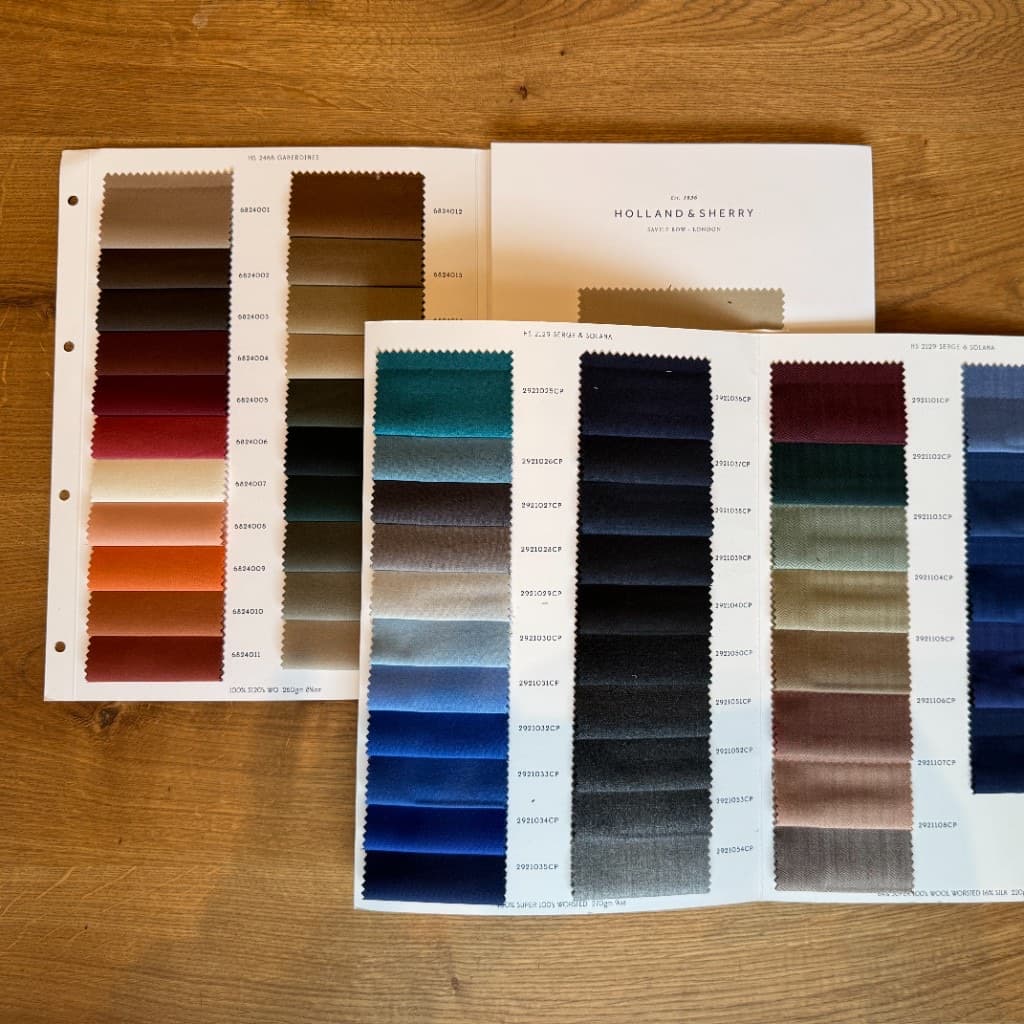
We'll either match your design to something from the fabric books and bunches we keep at the atelier, or send you to a shop in Bangkok that carries the right thing.
Get Fabric Advice